 Save
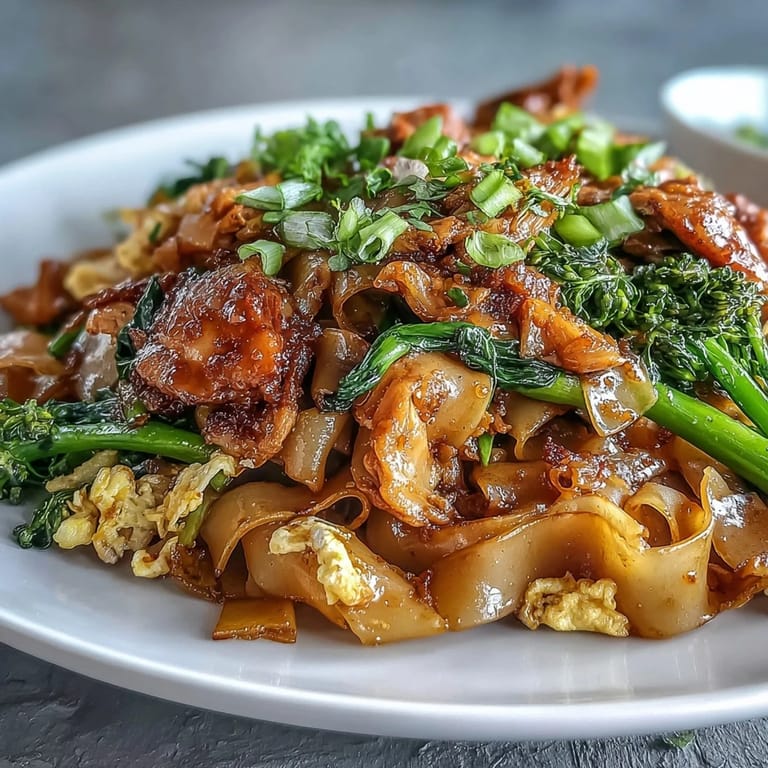
Save The steam rising from street vendors' carts in Bangkok always pulled me in, but there was something magical about watching them make Pad See Ew. The wok would hiss and flames would dance as they tossed those wide rice noodles with such practiced ease. After my third trip to Thailand, I came home determined to recreate that smoky, charred flavor in my own kitchen. It took dozens of attempts and a few burnt batches to understand the rhythm of high heat stir-frying.
Last winter, my friend Jamie came over for dinner and mentioned she'd been craving Pad See Ew since her trip to Chiang Mai. I hesitated, worried I couldn't do it justice, but decided to try anyway. When she took her first bite, she actually closed her eyes and said this was better than what she'd eaten at the night markets. That moment of watching someone genuinely delighted by something I cooked with my own hands made all the practice worth it.
Ingredients
- 200g dried wide rice stick noodles or 450g fresh flat rice noodles: Fresh noodles give you the most authentic texture, but dried work beautifully when soaked properly until pliable but still firm
- 1 cup boneless skinless chicken thighs thinly sliced: Thighs stay tender and juicy even over high heat, unlike breasts which can dry out quickly in stir-frying
- 4 stems Chinese broccoli gai lan: The stems provide crunch while the leaves wilt perfectly, adding that authentic bitterness that balances the sweet sauce
- 1 large egg: Creates those silky strands of egg that weave through the noodles, adding richness and texture
- 2 tsp dark soy sauce: Gives the dish its characteristic caramel color and deep, molasses-like flavor
- 1½ tbsp oyster sauce: The secret ingredient that adds umami depth and a subtle sweetness
- 1 tbsp light soy sauce: Provides the salty base without darkening the dish too much
- 2 tsp white vinegar: Cuts through the richness and adds that characteristic Thai brightness
- 2 tsp sugar: Balances the salty elements and helps create that slight glaze on the noodles
- 2 cloves garlic very finely chopped: Finely minced garlic releases its aroma quickly without burning
- 3 tbsp peanut or vegetable oil divided: Peanut oil handles high heat beautifully, but vegetable oil works perfectly too
Tired of Takeout? 🥡
Get 10 meals you can make faster than delivery arrives. Seriously.
One email. No spam. Unsubscribe anytime.
Instructions
- Prepare the noodles:
- Soak dried rice noodles in warm water for 30 minutes until they're pliable but still offer some resistance when bent, then drain well. If using fresh noodles, simply gently separate them to prevent clumping during cooking.
- Mix your sauce ahead of time:
- Combine the dark soy sauce, oyster sauce, light soy sauce, white vinegar, and sugar in a small bowl, stirring until the sugar completely dissolves. Having everything measured and ready is crucial once you start cooking.
- Prep your Chinese broccoli:
- Cut the thicker stems into 2-inch pieces so they cook evenly, then cut the leaves into larger pieces since they'll wilt down significantly. Keep them separate as stems need more time than leaves.
- Cook the chicken first:
- Heat 1 tablespoon of oil in your wok over high heat until it's shimmering, then add the sliced chicken and stir-fry for about 2 minutes until just cooked through. Remove and set aside to prevent overcooking.
- Stir-fry the broccoli in batches:
- Add another tablespoon of oil to the hot wok, toss in the broccoli stems first and stir-fry for 1 minute, then add the leaves and cook until just wilted. Remove everything and set aside with the chicken.
- Create the egg base:
- With the remaining tablespoon of oil, add the garlic and sauté for just a few seconds until fragrant, then crack in the egg and scramble quickly until just set but still slightly creamy.
- Bring it all together:
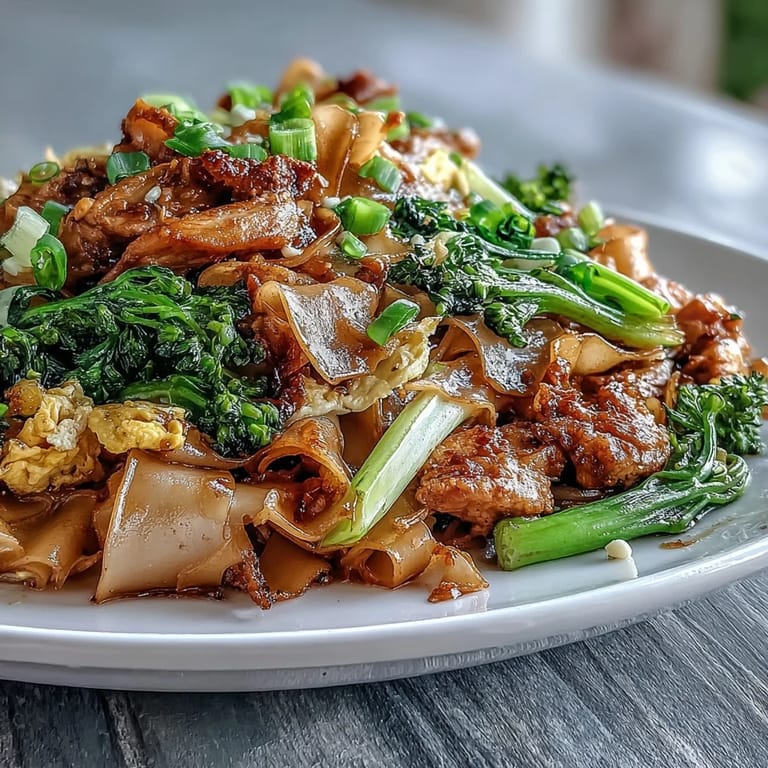
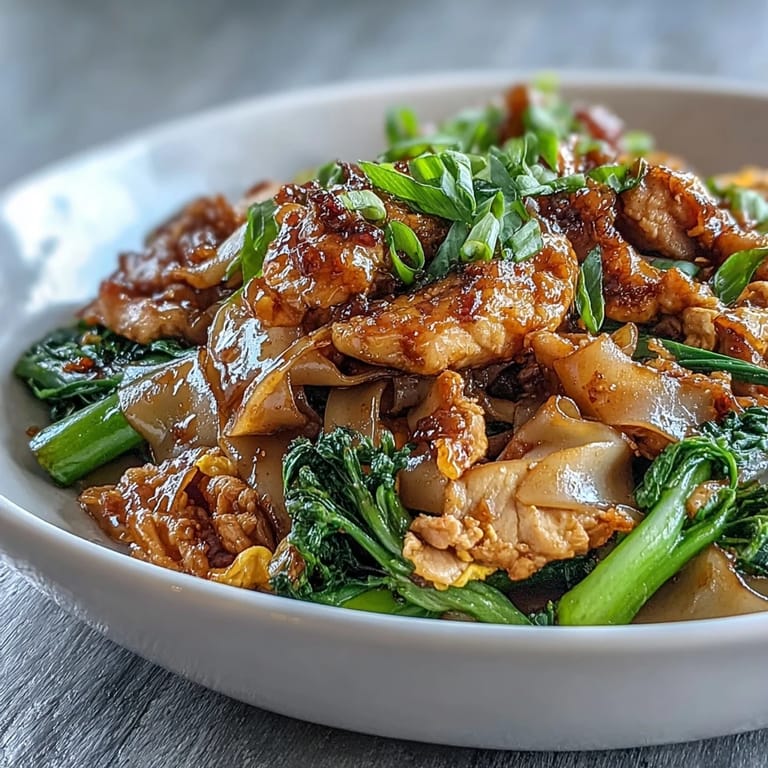
- Add the noodles to the wok, pour the sauce over them, and toss vigorously to coat every strand. Return the chicken and broccoli, then stir-fry everything for 1 to 2 minutes until steaming hot and well combined. Serve immediately while the noodles are still chewy and the sauce is glistening.
 Save
Save This dish has become my go-to for weeknight dinner parties because it comes together so quickly yet feels so special. There's something about serving food that makes people pause and really savor each bite. Last month my neighbor texted me at 9pm asking for the recipe because her family couldn't stop talking about it.
Choosing Your Noodles
Fresh wide rice noodles from an Asian market are absolute perfection for Pad See Ew with their chewy texture and slight sweetness. However, good quality dried rice noodles soaked properly work beautifully and are more accessible. The key is not to oversoak them, you want them to finish cooking in the wok so they absorb all that sauce.
Mastering the Wok
If you're cooking on a standard home stove, a carbon steel wok that's been properly seasoned is your best friend for achieving high heat retention. Let the wok get smoking hot before adding oil, and listen for that satisfying sizzle when ingredients hit the surface. The occasional charred bit on the noodles isn't a mistake, it's actually what gives the dish its authentic wok hei or breath of the wok flavor.
Perfecting Your Sauce Balance
Every brand of soy sauce and oyster sauce has different salt levels, so taste your sauce mixture before cooking and adjust as needed. Some days I add a pinch more sugar, other days a splash more vinegar. Trust your palate and remember that the sauce should taste slightly more intense than you want the final dish.
- Substitute chicken thighs with beef flank steak, pork loin, shrimp, or firm tofu for variety
- If Chinese broccoli isn't available, broccolini makes an excellent substitute with similar flavor and texture
- A squeeze of fresh lime right before serving brightens everything beautifully
 Save
Save There's nothing quite like sitting down to a steaming plate of Pad See Ew that you've created yourself. I hope this recipe brings as much joy to your kitchen as it has to mine.
Recipe FAQs
- → What makes Pad See Ew different from other Thai noodle dishes?
Pad See Ew features wide rice noodles stir-fried in a sweet-savory sauce dominated by dark soy sauce, giving it a distinctive dark color and caramelized flavor. Unlike Pad Thai's tangy tamarind profile, this dish emphasizes umami richness from oyster sauce and soy sauce.
- → Can I use fresh rice noodles instead of dried?
Absolutely. Fresh wide rice noodles are actually traditional for Pad See Ew and require no soaking. Simply separate the noodles gently before adding to the wok. If they seem stiff, rinse quickly under warm water and drain thoroughly.
- → What protein alternatives work well in this dish?
Thinly sliced beef, pork, shrimp, or firm tofu all substitute beautifully for chicken thighs. Each protein brings its own character—beef adds richness, shrimp offers sweetness, while tofu creates a lighter vegetarian option.
- → Why does my sauce taste too salty?
The balance between dark soy sauce, light soy sauce, and oyster sauce is crucial. Dark soy provides color and mild sweetness, while light soy delivers saltiness. If your sauce tastes too salty, add another pinch of sugar or a splash more vinegar to restore equilibrium.
- → How do I prevent rice noodles from breaking apart?
Avoid over-soaking dried noodles—they should remain slightly firm. When stir-frying, use gentle folding motions rather than aggressive stirring. Fresh noodles are more forgiving but still require careful handling to maintain their wide, flat structure.
- → What vegetables can replace Chinese broccoli?
Broccolini offers the closest texture and mild bitterness. Regular broccoli works in a pinch, though it's less traditional. For a completely different approach, try bok choy or baby bok choy, which add sweetness and crunch.