 Save
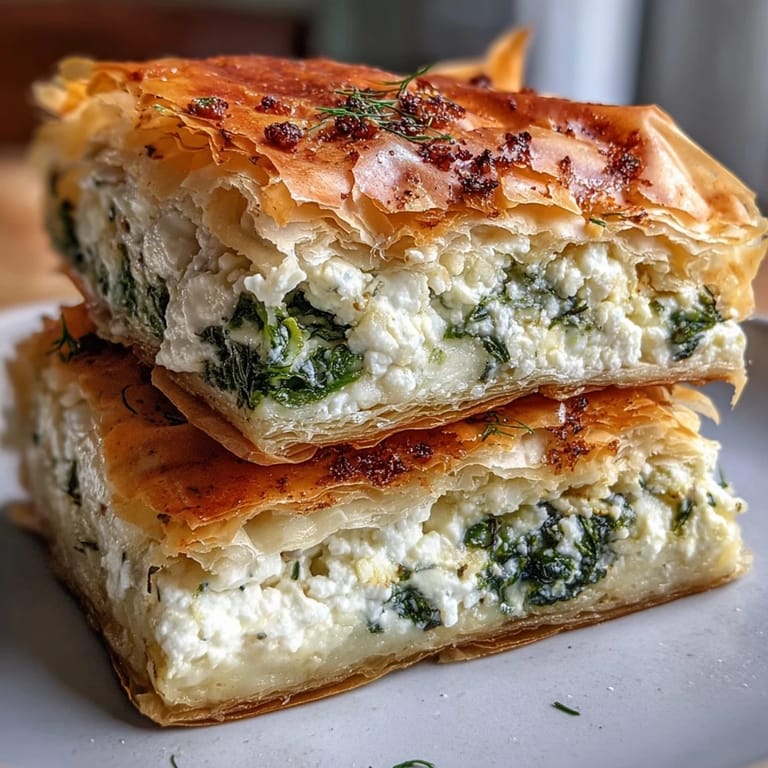
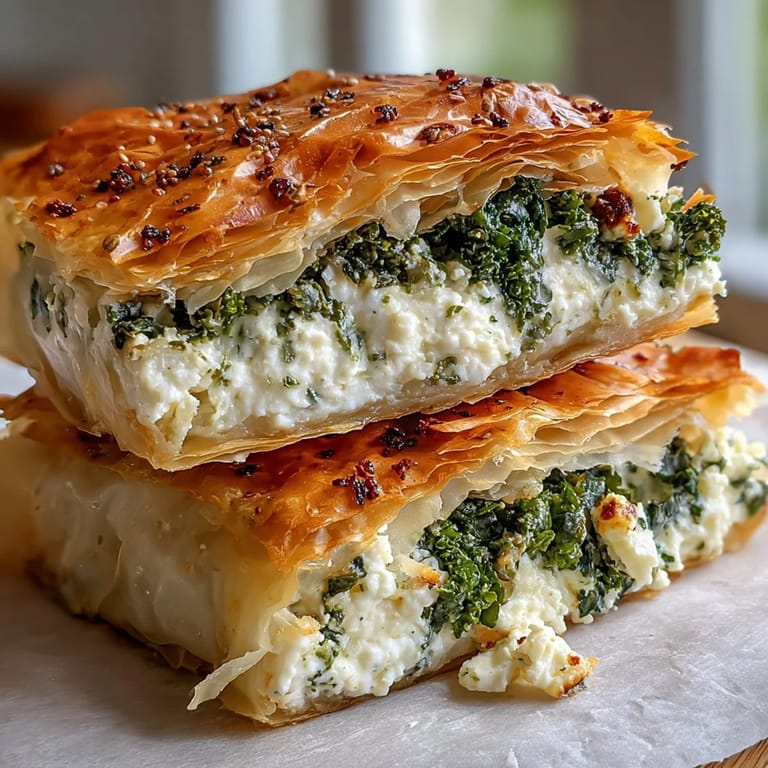
Save The smell of warm filo and melted cheese always makes me think of late autumn afternoons in the kitchen, when kale is at its best and I need something comforting but not too heavy. I started making this börek after a trip to a friend's place where her grandmother layered pastry like it was second nature. I was intimidated at first by the delicate sheets, but once I realized how forgiving filo actually is when brushed with oil, I couldn't stop making it. Now it's my go-to when I want something that looks impressive but doesn't demand perfection.
I once made this for a small gathering and forgot to tuck in the edges properly, so the filling leaked a little during baking. It still tasted incredible, and honestly, the crispy bits that escaped became everyone's favorite part. That's when I stopped worrying about making it look magazine perfect. Now I embrace the rustic charm and focus on getting the layers crisp and the filling well seasoned.
Ingredients
- Fresh kale (250 g, stems removed, chopped): Choose dark, firm leaves and strip the tough center ribs, as they stay chewy even after cooking.
- Onion (1 medium, finely chopped): Softening the onion first adds sweetness and prevents any sharp raw bite in the filling.
- Garlic (2 cloves, minced): Fresh garlic adds warmth, but don't let it brown or it turns bitter.
- Feta cheese (200 g, crumbled): The salty, tangy backbone of the filling, use a good quality block and crumble it yourself for better texture.
- Ricotta cheese (100 g): Smooths out the feta and makes the filling creamy rather than crumbly.
- Filo pastry (8 sheets): Keep it covered with a damp towel while you work so it doesn't dry out and crack.
- Eggs (3 large): Bind everything together and give the filling structure as it bakes.
- Whole milk (100 ml): Adds richness and helps the egg mixture stay tender.
- Olive oil (50 ml, plus extra for brushing): Brushing between layers is what makes the pastry shatter when you bite into it.
- Black pepper (1/2 tsp): Freshly ground is best, it adds a gentle heat that doesn't overpower the cheese.
- Nutmeg (1/4 tsp, optional): A subtle warmth that makes the filling taste more complex without announcing itself.
- Fresh dill (1 tbsp, chopped, optional): Adds a bright herbal note that feels very traditional.
- Sea salt (1/2 tsp, adjust to taste): Taste the filling before adding, as feta can be quite salty on its own.
Tired of Takeout? 🥡
Get 10 meals you can make faster than delivery arrives. Seriously.
One email. No spam. Unsubscribe anytime.
Instructions
- Preheat and Prep:
- Set your oven to 180°C (350°F) and lightly grease a 23 cm tart dish with olive oil. This prevents sticking and helps the bottom layer crisp up nicely.
- Sauté the Aromatics:
- Heat a tablespoon of olive oil in a large skillet over medium heat and cook the onion until it's soft and translucent, about 4 minutes. Add the garlic and kale, stirring until the leaves wilt down and any moisture evaporates, about 3 to 5 minutes, then remove from heat and let it cool slightly.
- Mix the Filling:
- In a large bowl, whisk together the eggs, milk, and 50 ml olive oil until smooth. Stir in the crumbled feta, ricotta, black pepper, nutmeg, dill, and salt, then fold in the cooled kale mixture until everything is evenly combined.
- Layer the Base:
- Lay one sheet of filo in the prepared dish, letting the edges hang over the sides, then brush lightly with olive oil. Repeat with 3 more sheets, brushing each one and rotating slightly so the overhang is distributed evenly around the dish.
- Add the Filling:
- Spoon the kale and cheese mixture over the filo base, spreading it out evenly with the back of a spoon. Don't overfill or it may bubble over during baking.
- Top and Seal:
- Cover the filling with the remaining 4 filo sheets, brushing each one with oil and tucking the edges down inside the dish to seal the tart. If you like, score the top gently into serving slices with a sharp knife, which makes cutting easier later.
- Bake Until Golden:
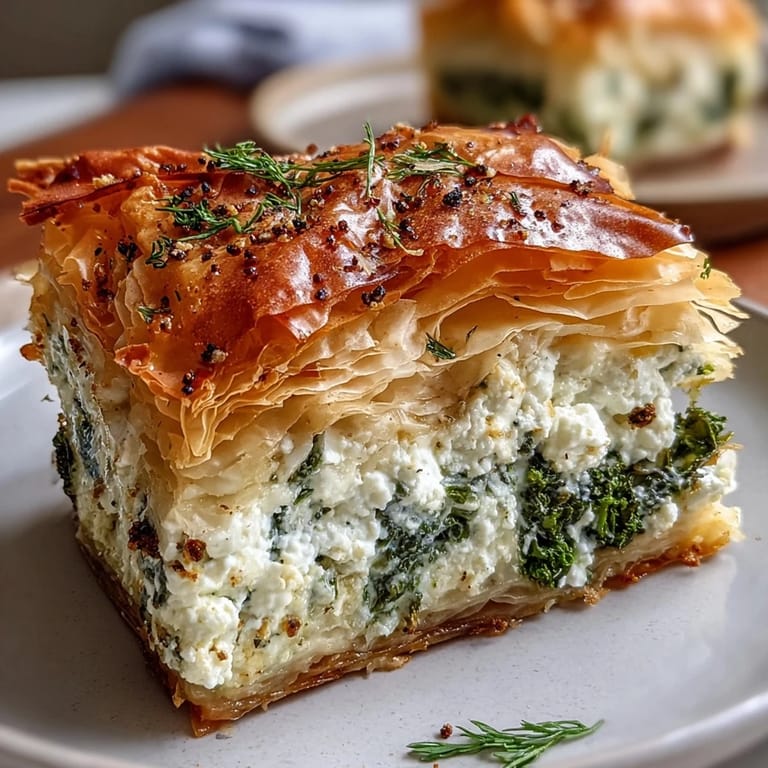
- Bake for 30 to 35 minutes, or until the pastry is crisp and deeply golden brown all over. The top should look glossy and crackle when you tap it lightly.
- Cool and Serve:
- Let the börek cool in the dish for 10 minutes before slicing. This helps the filling set and makes it easier to serve without falling apart.
 Save
Save 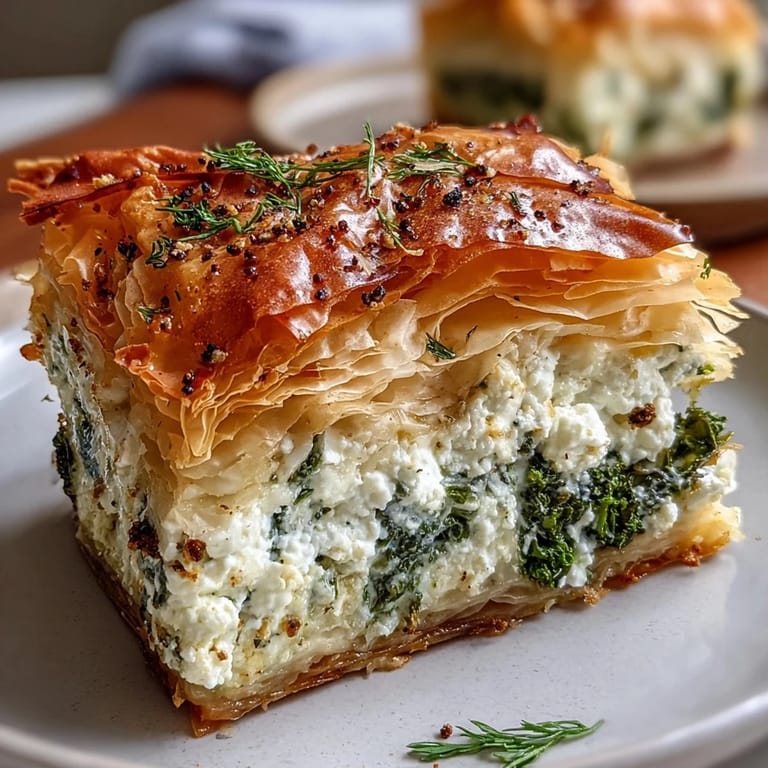 Save
Save One evening I served this with a simple arugula salad and a chilled white wine, and it felt like the kind of meal that makes you slow down and actually talk to the people at the table. There's something about a dish that requires a little care in the making that makes you appreciate it more when you sit down to eat it. It's become one of those recipes I turn to when I want to feel like I'm cooking with intention, not just feeding myself.
Swaps and Substitutions
If you don't have kale on hand, spinach or Swiss chard work just as well, though spinach releases more water so make sure to squeeze it dry after wilting. You can swap the feta for a mix of goat cheese and parmesan if you want a milder, creamier filling. For a bit of heat, add a pinch of red pepper flakes to the kale as it cooks. I've also made this with whole wheat filo when I could find it, and it added a nice nutty flavor without changing the texture too much.
Serving Suggestions
This börek is lovely warm or at room temperature, which makes it perfect for a picnic or potluck. I like to serve it with a bright lemon and olive oil dressed salad, something with peppery greens or cherry tomatoes to cut through the richness. A glass of crisp Sauvignon Blanc or a dry rosé complements the feta and herbs beautifully. Leftovers reheat well in the oven at 160°C for about 10 minutes, just don't microwave it or the pastry goes soggy.
Storage and Make Ahead Tips
You can prepare the filling up to a day ahead and keep it covered in the fridge, then assemble and bake when you're ready. The baked börek keeps in the fridge for up to three days, covered tightly. I've also frozen unbaked börek successfully, just assemble it completely, wrap it well in plastic and foil, and freeze for up to a month.
- Thaw overnight in the fridge before baking, and add an extra 5 minutes to the baking time if it's still slightly chilled.
- If freezing after baking, reheat from frozen in a 160°C oven for about 20 minutes until warmed through and crisp again.
- Always let it cool completely before wrapping for storage, or condensation will make the pastry soggy.
 Save
Save 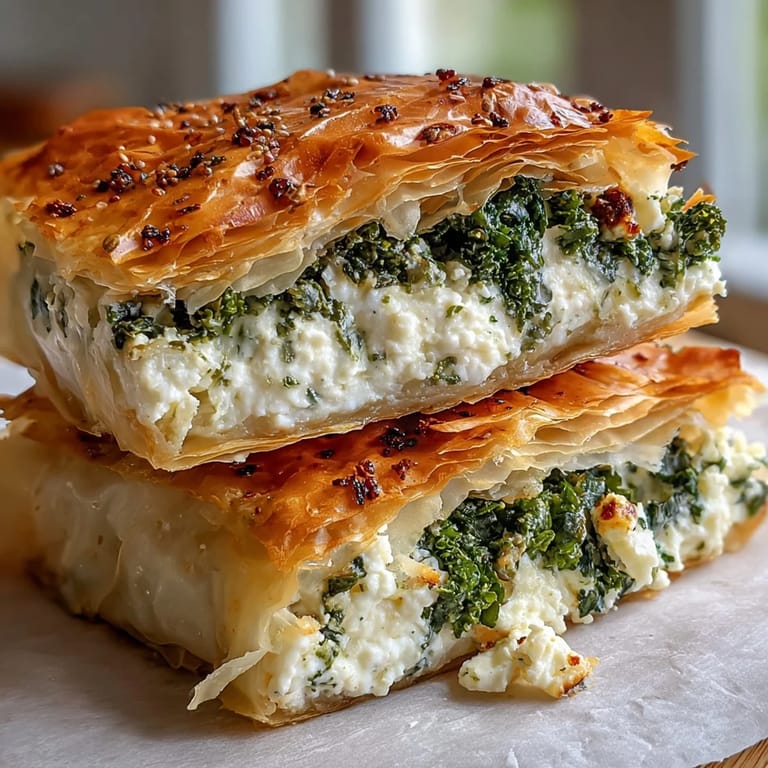 Save
Save This börek has a way of making an ordinary weeknight feel a little more special, and I hope it does the same for you. Enjoy every flaky, savory bite.
Recipe FAQs
- → Can I substitute the kale with other greens?
Yes, spinach or Swiss chard work wonderfully as alternatives to kale. Simply use the same quantity and wilt them in the same manner.
- → How do I prevent the filo pastry from drying out?
Keep unused filo sheets covered with a damp kitchen towel while working. Brush each layer generously with olive oil to maintain moisture and achieve a golden, crisp finish.
- → Can I make this börek ahead of time?
Absolutely. Assemble the börek completely, cover tightly, and refrigerate for up to 24 hours before baking. You may need to add 5-10 minutes to the baking time if starting from cold.
- → What can I serve alongside this börek?
A crisp green salad with lemon vinaigrette, roasted vegetables, or a simple cucumber and tomato salad complement the richness of the feta and filo beautifully.
- → How should I store leftovers?
Store leftover börek in an airtight container in the refrigerator for up to 3 days. Reheat in a preheated oven at 160°C for 10-15 minutes to restore crispness.
- → Can I freeze this börek?
Yes, you can freeze the baked börek. Wrap individual slices tightly in plastic wrap and foil, then freeze for up to 2 months. Thaw overnight in the refrigerator and reheat in the oven.