 Save
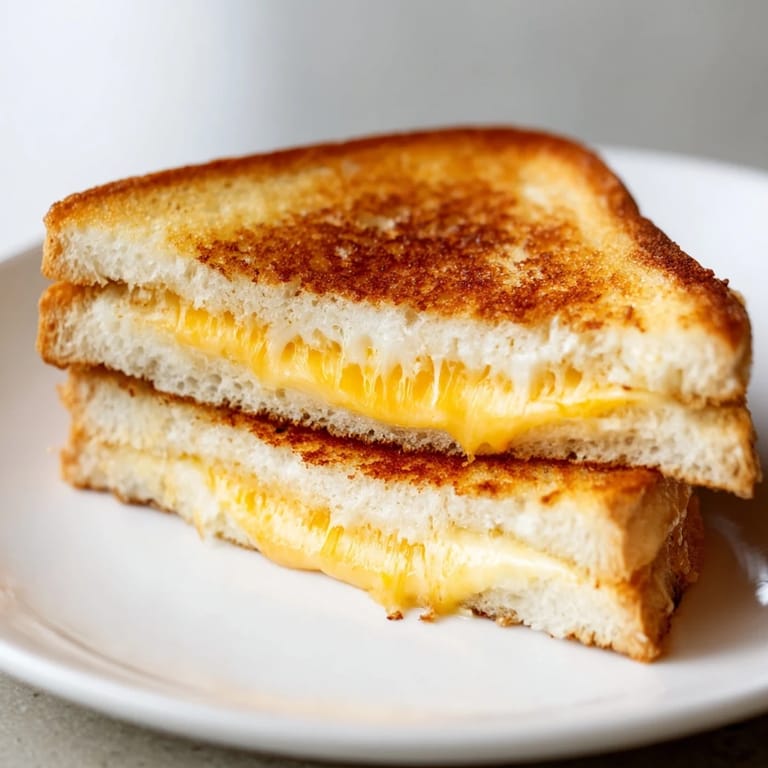
Save There's something almost rebellious about the first time someone suggests mayo instead of butter for a grilled cheese. I was skeptical until a friend casually made one in my kitchen on a lazy Tuesday afternoon, and the moment that sandwich hit the pan, the smell changed everything—nutty, toasted, completely different from what I expected. The crust came out impossibly golden and crispy while the inside stayed creamy in a way butter never quite achieved. Now I can't make it any other way.
I made these for my roommate during a particularly rough week, and watching her face light up at that first bite reminded me that sometimes the smallest gestures matter most. She asked for the recipe immediately, and now it's become our go-to late-night comfort food. There's something about standing in the kitchen together, waiting for that perfect golden-brown moment, that turns a simple sandwich into an actual conversation.
Ingredients
- White or sourdough bread: Four slices give you two perfect sandwiches; sourdough brings a tanginess that plays beautifully with melted cheese.
- Cheddar cheese: Four slices of good melting cheese are essential—this is where quality actually matters since it's the star.
- Mayonnaise: Two and a half tablespoons might sound like a lot, but it's the secret to that impossibly crispy, golden exterior that makes this different from every other grilled cheese you've made.
- Dijon mustard (optional): Two teaspoons add a subtle sharpness that deepens everything without overpowering the cheese.
Tired of Takeout? 🥡
Get 10 meals you can make faster than delivery arrives. Seriously.
One email. No spam. Unsubscribe anytime.
Instructions
- Assemble your canvas:
- Lay out all four bread slices and spread a thin, even layer of mayo on one side of each—you're building the golden exterior here, so don't be stingy but keep it even.
- Add the mustard moment (if you're feeling it):
- On two of the bread slices, paint a thin layer of Dijon mustard on the opposite side from the mayo; this goes on the inside and adds a whisper of complexity.
- Build the sandwich:
- Place two cheese slices between two bread slices with the mayo-coated sides facing outward, creating a protective golden shield on both sides. Repeat for the second sandwich.
- Heat with intention:
- Warm a nonstick skillet over medium-low heat—this isn't a race, and medium-low prevents the outside from burning before the cheese melts inside.
- The first side (the moment of commitment):
- Place the sandwiches mayo-side down and listen for that gentle sizzle; cook for 3–4 minutes until you see golden-brown edges creeping up the sides.
- The flip:
- Flip carefully and press gently with a spatula for another 3–4 minutes, watching as the cheese inside softens and the other side turns that perfect shade of golden brown.
- Rest and serve:
- Let them sit for just 1 minute so the cheese sets slightly, then slice diagonally and serve immediately while everything is still warm and crispy.
 Save
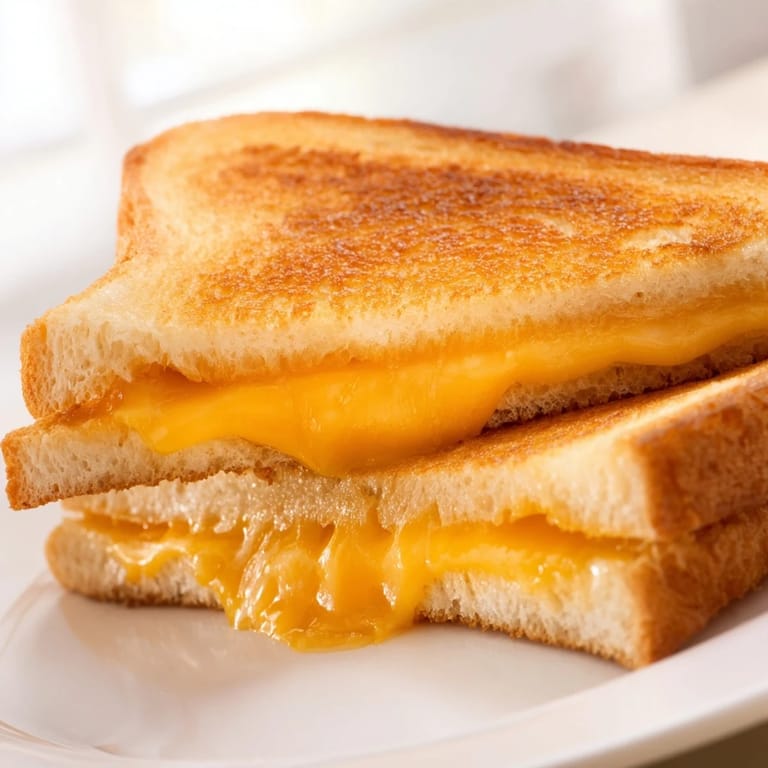
Save There was this moment when my younger cousin took a bite and immediately asked if he could have another one, no questions asked. That's when I realized this wasn't just a sandwich—it was the kind of thing that makes people feel cared for without any fuss.
Why Mayo Works Better Than You Think
Mayonnaise is mostly oil with an emulsion that distributes heat more evenly than butter, creating a crust that's genuinely crispy rather than just browned. The flavor profile is subtly different too—slightly toasted and almost nutty—which complements melted cheese in unexpected ways. Once you understand this, you'll stop reaching for butter on sandwiches like this.
Making It Your Own
This sandwich is a blank canvas for whatever you're craving that day. I've added crispy bacon, caramelized onions that took twenty minutes but felt worth it, and thin slices of tomato that released just enough juice to keep things interesting. Even additions as simple as fresh black pepper or a tiny pinch of cayenne shift the whole mood of the sandwich.
The Cheese Question
Cheddar is reliable, but Monterey Jack brings a buttery softness, Gruyère adds an earthy depth that's almost fancy, and mozzarella keeps it simple and stretchy. I've even done half-and-half combinations, layering different cheeses to build complexity. The only rule is that it needs to melt smoothly without turning into a separated, oily mess.
- Always use cheese that melts well—aged cheddar, Gruyère, Monterey Jack, or fresh mozzarella all work beautifully.
- If you're serving this with tomato soup, let the sandwich rest just long enough to stabilize before slicing.
- Pair this with a simple green salad and you've got a lunch that feels more intentional than it actually was.
 Save
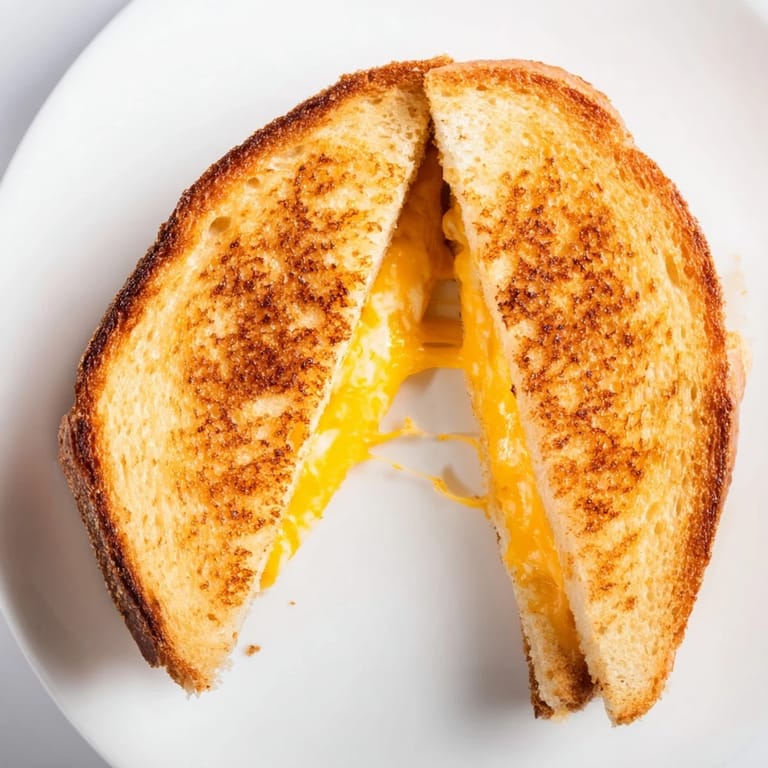
Save This sandwich proves that sometimes the best discoveries come from small moments and simple changes. Make it once and it becomes part of your rotation.
Recipe FAQs
- → Why use mayonnaise instead of butter?
Mayonnaise helps achieve a golden, crispy crust due to its oil content and gives a creamy texture without butter's heaviness.
- → Can I use different types of cheese?
Yes, melt-friendly cheeses like Monterey Jack, Gruyère, or mozzarella work well and add varied flavors.
- → Is Dijon mustard necessary?
Dijon mustard is optional but adds a subtle sharpness that complements the creamy cheese and mayo.
- → What bread types are best for this dish?
White or sourdough bread are ideal for their texture and flavor, but gluten-free options can be used to suit dietary needs.
- → How to avoid soggy bread when cooking?
Spreading mayonnaise evenly and cooking on medium-low heat helps create a crisp exterior while melting the cheese inside.
- → Can I add extra fillings?
Yes, additions like sliced tomatoes, caramelized onions, or bacon can add flavor and texture variety.