 Save
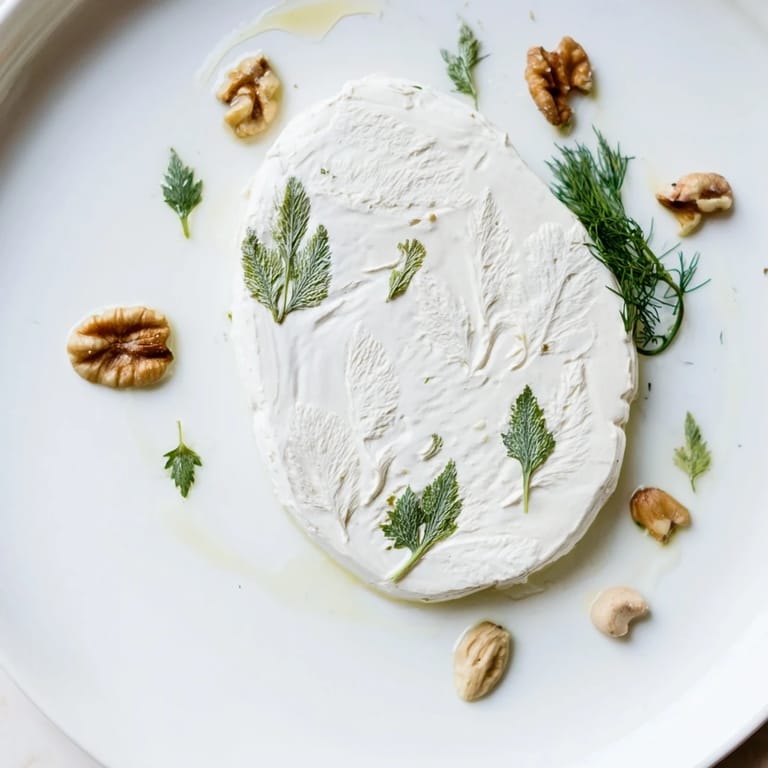
Save I discovered this dish while rearranging my kitchen library and stumbling across an old archaeology magazine left behind by a visiting friend. The cover image of fossilized leaf imprints sparked something playful in me—what if I could recreate that delicate, ancient aesthetic on a cheese board? That afternoon, I pressed fresh herbs into soft cheese and suddenly had something that looked like it belonged in a museum, except it was meant to be eaten. The first person who tried it actually gasped, tilting their head like they were examining a real artifact before remembering to taste it.
I made this for a dinner party where someone brought wine and another guest brought their kid who had just started a dinosaur phase. When the little one saw the herb imprints and cracked shells, her eyes lit up like she'd uncovered buried treasure. She spent ten minutes carefully identifying each "fossil" before eating a single piece, and her mother whispered that this was the first time she'd ever sat still for appetizers. That moment made me realize the best recipes do more than taste good—they create permission to play.
Ingredients
- Soft cheese (250 g or 9 oz): Goat cheese brings tanginess, cream cheese offers neutrality, and ricotta adds an almost sandy texture—choose based on what mood you want. I usually mix two types for complexity.
- Fresh herbs (1 small bunch): Parsley is delicate and readable, dill creates feathery patterns, cilantro leaves interesting fingerprints. Don't skip this or your fossils lose their character.
- Olive oil (1 tbsp, optional): A light brush adds a subtle sheen that mimics the patina of age, though it's purely for appearance.
- Assorted nuts (100 g or 3.5 oz): Walnuts and pecans crack beautifully; almonds stay elegant; hazelnuts feel playful. Unshelled nuts scattered around look far more archeological than neat piles.
- Sea salt (1/2 tsp, optional): A whisper of salt across the top makes the cheese flavor sing and adds textural surprise.
Tired of Takeout? 🥡
Get 10 meals you can make faster than delivery arrives. Seriously.
One email. No spam. Unsubscribe anytime.
Instructions
- Prepare your canvas:
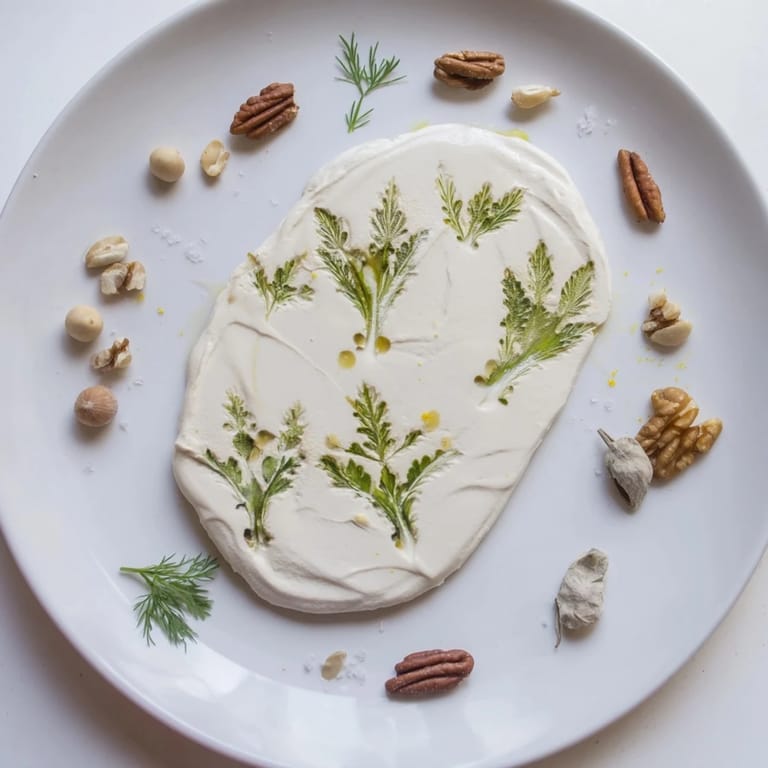
- Line your tray with parchment paper so the cheese won't stick and you can move it safely. Use a small spatula to spread the cheese into a rough oval about 3/4 inch thick, keeping edges slightly jagged rather than perfect.
- Create the impressions:
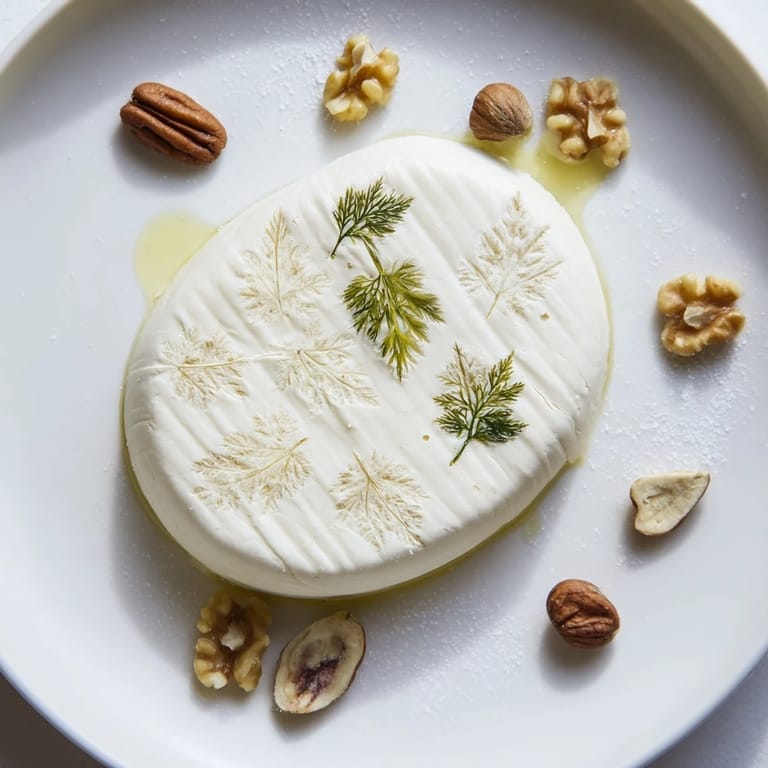
- Press fresh herb sprigs gently but firmly into the cheese surface, holding for a few seconds so the imprints stay crisp. Lift each herb away slowly to reveal the delicate fossil texture underneath, and resist the urge to arrange them in neat rows—slight randomness looks more authentic.
- Add luminosity:
- If using olive oil, brush it lightly across the surface with a pastry brush. This step is about theatrics as much as flavor, giving your cheese the subtle shine of something precious.
- Arrange the ancient world:
- Scatter cracked nuts around the cheese in loose clusters, letting some shell fragments tumble naturally into gaps. A few nuts should sit directly on the cheese for visual drama.
- Season and serve:
- Sprinkle sea salt across the top if you'd like, then serve immediately with crackers or warm bread while the cheese is still soft enough to spread.
 Save
Save My neighbor once saw this on my counter and asked if I'd taken up fossil hunting as a hobby. I explained the cheese thing, and she laughed so hard she nearly spilled her wine. Now she makes it for every dinner party she hosts, and she tells people she "hand-excavated authentic fossils from her kitchen." That's when I knew I'd found something worth repeating.
Playing with Flavor
While the presentation carries the magic, the flavors should surprise too. I've learned that the cheese choice sets the entire mood—tangy goat cheese feels slightly earthy and sophisticated, while cream cheese becomes almost neutral, letting the herbs and nuts shine. Mixing two cheeses gives you depth; a dollop of honey on the side transforms the whole thing into something almost dessert-like. The nuts are your textural anchor, so don't skip them or you lose half the appeal.
Pairing and Presentation
This dish loves good company more than most appetizers I make. A crisp Sauvignon Blanc cuts through the richness beautifully, but I've also had success with sparkling wine if you want celebration without pretension. The crackers you choose matter too—rough, rustic types echo the ancient theme, while delicate ones feel refined. I always set the tray a bit off-center on the table, letting it breathe rather than centering it like typical appetizer platters.
Making It Your Own
The fossil concept is flexible enough that you can reinvent it each time you make it. Edible flowers create different impressions than leafy herbs, and some people have pressed seeds or tiny grains into the cheese for subtler texture. I've made vegan versions using cashew cream and nobody noticed the difference. Fruit preserves or even a touch of balsamic on the side adds unexpected sweetness that guests never anticipate from something so visually ancient.
- Try pressing different herbs each time for varied fossil patterns that feel like you're discovering something new.
- If making ahead, keep the cheese covered and only add nuts and salt within an hour of serving so everything stays fresh.
- Remember that imperfection is your ally here—perfect imprints look staged, while slightly irregular ones look genuinely excavated.
 Save
Save There's something quietly joyful about serving food that makes people pause and look before they eat. This recipe does that every single time, and somehow that small moment of wonder makes everything taste better.
Recipe FAQs
- → What type of cheese works best?
Soft cheeses like goat cheese, cream cheese, or ricotta hold herb imprints well and offer creamy textures.
- → Can I use different herbs for imprinting?
Yes, parsley, dill, cilantro, chervil, or a mix all create detailed and attractive herbal patterns.
- → How should the nuts be prepared?
Use a mix of walnuts, pecans, almonds, and hazelnuts, preferably cracked but still in shell pieces for visual interest.
- → Is olive oil necessary?
Brushing olive oil is optional but adds a subtle sheen and enhances the overall appearance.
- → Can this be made vegan?
Substitute the soft cheese with plant-based alternatives to accommodate vegan diets without losing texture.