 Save
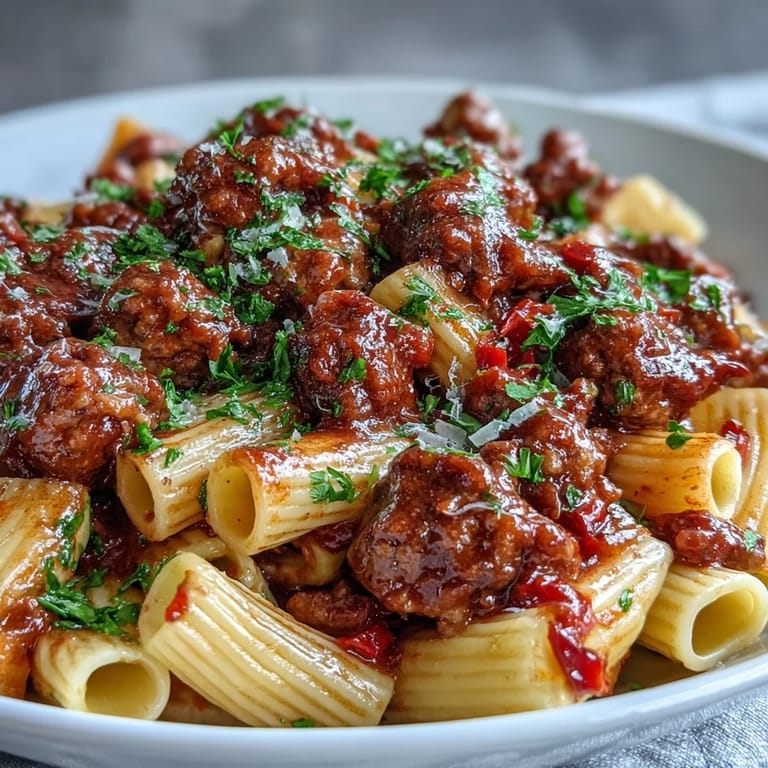
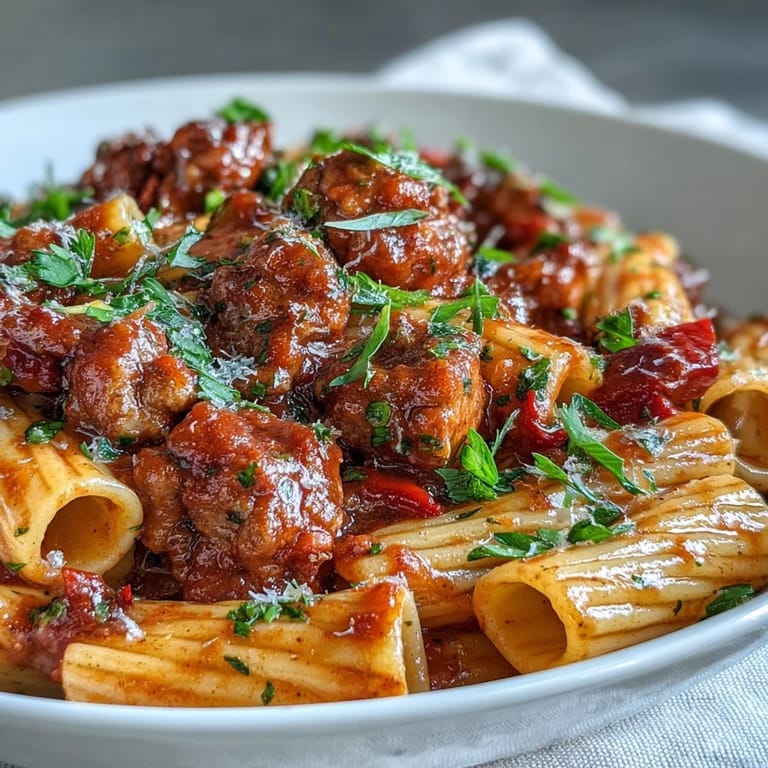
Save There's something about a rainy Wednesday evening that makes you crave comfort in a bowl, and that's exactly when this one-pot wonder saved me from standing at the stove for hours. I'd grabbed a bottle of red wine for cooking, some Italian sausage that smelled incredible, and decided to throw everything into one pot out of sheer laziness. Twenty-five minutes later, my kitchen smelled like a Roman trattoria, and I realized I'd accidentally stumbled onto something I'd make again and again. The magic happens when the wine, cream, and tomato sauce find each other in that single pot, creating layers of flavor that taste like you fussed all day.
I made this for my sister on a cold Sunday, and she took one bite and immediately asked if I'd been holding out on her. We sat at the kitchen counter with second helpings, talking over each other the way we do when food actually matters, and I watched her pause between bites just to appreciate the creaminess. That's when I knew this recipe was the kind that transcends being just dinner and becomes a moment you remember.
Ingredients
- Italian sausage, 300 g (10 oz): Use either mild or spicy depending on your heat tolerance; the sausage is your flavor anchor, so don't skip quality here, and removing the casings lets it break into smaller, saucier pieces.
- Yellow onion, 1 medium, finely chopped: Finely chopping matters because you want it to almost dissolve into the sauce and release its natural sweetness as it cooks.
- Garlic, 3 cloves, minced: Three cloves is the sweet spot; go any lighter and you lose that aromatic whisper, any heavier and it overpowers the wine.
- Red bell pepper, 1, diced: The pepper softens into the sauce and adds a subtle sweetness that balances the wine's tannins beautifully.
- Canned crushed tomatoes, 400 g (14 oz): Canned is your friend here because the tomatoes are already broken down and ready to meld with everything else without cooking for hours.
- Penne or rigatoni, 300 g (10 oz): These tube-shaped pastas trap the cream sauce inside, so every bite is coated; long pasta slides right through and misses all the good stuff.
- Dry red wine, 120 ml (½ cup): Use something you'd actually drink, not cooking wine from the back of the cabinet; the wine mellows as it reduces and becomes the soul of the sauce.
- Low-sodium chicken broth, 750 ml (3 cups): Low-sodium lets you control the final salt level, and the broth stretches the sauce while keeping it from becoming too thick too quickly.
- Soy sauce, 2 tbsp: This is the secret that nobody expects; it adds umami depth that makes people wonder what you did differently.
- Heavy cream, 120 ml (½ cup): The cream is what transforms a tomato sauce into something luxurious, so don't substitute it early; add it at the very end so it stays silky.
- Dried oregano, 1 tsp: Oregano belongs in tomato-based sauces the way salt belongs in pasta water; it's non-negotiable.
- Dried basil, ½ tsp: A gentler herb than oregano, basil adds a slightly sweet floral note that keeps the sauce from tasting one-dimensional.
- Crushed red pepper flakes, ¼ tsp (optional): This is for people who want to feel the warmth creeping up, but it's truly optional if you prefer your comfort food without any bite.
- Salt and black pepper, to taste: Always taste before serving because the soy sauce and broth already contribute saltiness, so you might need less than you think.
- Grated Parmesan cheese, 30 g (¼ cup): Parmesan is the final flourish that adds a sharp, nutty contrast to the cream, so grate it fresh if you can.
- Fresh basil or parsley, chopped: A handful of fresh herbs at the end brightens everything and reminds you that this dish is both rich and alive.
Tired of Takeout? 🥡
Get 10 meals you can make faster than delivery arrives. Seriously.
One email. No spam. Unsubscribe anytime.
Instructions
- Brown the sausage:
- Heat your large skillet over medium-high until it's almost hot enough to make you take a step back, then add the sausage and let it sizzle hard for the first minute. Break it into smaller pieces as it cooks, and don't move it around too much at first because you want those golden-brown bits that stick to the bottom of the pan; that's flavor waiting to happen.
- Build the base:
- Once the sausage is browned, add the onion and bell pepper, and let them soften while the sausage stays warm underneath. When they're turning translucent and starting to smell sweet, stir in the garlic and count to 60 slowly; that one minute is all you need to wake up the garlic's flavor without letting it burn.
- Deglaze with wine:
- Pour the red wine directly onto the bottom of the pan and watch it sizzle and bubble as it lifts all those golden, caramelized bits into the sauce. Let it bubble away for about 2 minutes so the alcohol cooks off and leaves behind the wine's deep, fruity notes.
- Combine everything:
- Add the tomatoes, soy sauce, oregano, basil, red pepper flakes if you're using them, the uncooked pasta, and the chicken broth all at once, and give it a good stir so the pasta isn't clumped in the middle. It'll look soupy and loose, but that's exactly what you want right now.
- Simmer until tender:
- Bring it to a boil, then turn the heat down to a gentle simmer, cover it, and let it bubble softly for 12 to 14 minutes, stirring occasionally so the pasta cooks evenly. The pasta should be tender but still have a slight resistance when you bite it, and most of the broth should be mostly absorbed into the pasta and sauce.
- Finish with cream:
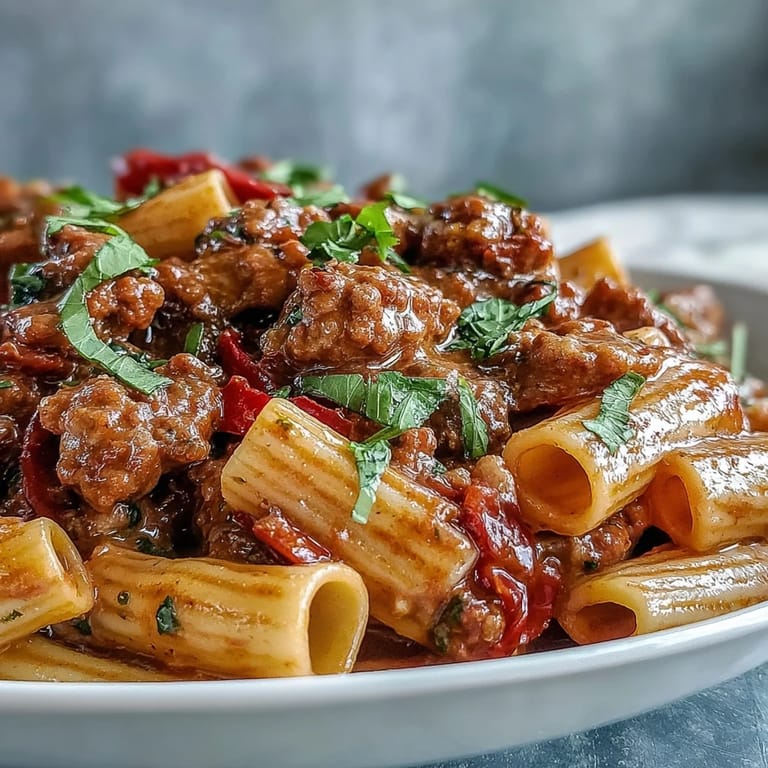
- Pour in the heavy cream and stir it through gently, then let everything simmer uncovered for another 2 to 3 minutes so it comes together into a cohesive, silky sauce. The sauce should coat the back of a spoon but still move a little on the plate; if it's too thick, loosen it with a splash of broth.
- Taste and serve:
- Taste it, season with salt and pepper until it makes you happy, then divide it into bowls and top with Parmesan and whatever fresh herbs you've got. Serve it immediately while the pasta is still hot and the cream is still at that perfect temperature between pourable and clingy.
 Save
Save I'll never forget my neighbor smelling this cooking from three doors down and actually coming to ask what was for dinner, which led to me inviting her over, which turned into her making it the next week, which became this whole thing where we'd trade cooking nights. That's when I realized this pasta wasn't just food; it was the kind of dish that brings people together because it tastes expensive and special but never feels pretentious.
The Wine Matters More Than You Think
I made the mistake once of using some cheap cooking wine that had been open for months, and the sauce tasted tinny and flat in a way I couldn't fix. The next time, I opened a fresh bottle of something I'd actually drink, and suddenly the sauce had depth and richness that made all the difference. You don't need an expensive wine, but you do need one that's fresh enough that you'd be willing to pour a glass for yourself while you cook.
Why the Soy Sauce Works
Soy sauce is umami in a bottle, and it has this sneaky way of making other flavors sing louder without announcing itself. Most people won't taste it directly; they'll just notice that the sauce tastes rounder and more satisfying than tomato sauce has any right to be. It's one of those kitchen secrets that feels almost like cheating because it works so well and costs almost nothing.
Timing and Temperature Adjustments
Every stovetop cooks a little differently, so the pasta might be ready in 12 minutes on one stove and 15 on another. Start checking around the 12-minute mark by fishing out a piece and tasting it; if it still feels chalky in the center, give it another minute and check again. Once the cream goes in, keep the heat low so it never quite boils, because cream can break and become grainy if it gets too aggressive.
- If your sauce seems too thick at the end, add a splash of broth or pasta water to loosen it, and if it's too thin, simmer it uncovered for another minute or two until it clings to the pasta the way you want.
- For a lighter version, use half-and-half or even whole milk instead of heavy cream, though you'll lose some of that luxurious richness that makes the dish feel special.
- Don't be afraid to taste as you go and adjust the seasonings because salt in the broth and soy sauce might mean you need less salt at the end than you expect.
 Save
Save This is the kind of dish that proves you don't need a complicated recipe or a long ingredient list to create something that tastes like you care. Make it on a night when you need comfort, when you want to impress someone, or simply when you realize you have sausage and red wine in the kitchen and an hour to spare.
Recipe FAQs
- → Can I use different pasta shapes?
Yes, any short pasta that catches sauce well works great. Try rigatoni, ziti, or fusilli instead of penne.
- → What red wine works best?
Dry Italian wines like Chianti or Merlot complement the sausage beautifully. Any drinkable dry red wine you have on hand will work.
- → Is this dish spicy?
It depends on your sausage choice. Mild sausage creates a gentle warmth, while spicy sausage brings noticeable heat. Red pepper flakes add optional extra kick.
- → Can I make it lighter?
Absolutely. Substitute half-and-half for heavy cream, or use turkey sausage instead of pork to reduce the fat content.
- → How do I store leftovers?
Refrigerate in an airtight container for up to 3 days. The pasta absorbs more sauce as it sits, so you may want to add a splash of broth when reheating.
- → Can I freeze this dish?
Freezing works, though the cream may separate slightly upon thawing. Reheat gently while stirring to recombine the sauce. Best enjoyed within 2 months.