 Save
Save My uncle's kitchen in New Orleans always smelled like boiling spices and the Gulf—that unmistakable moment when the pot hits a rolling boil and suddenly the whole house transforms. He'd taught me that a proper crawfish boil isn't just about throwing ingredients in water; it's about building layers of flavor that make people stop talking and start reaching. One spring afternoon, I watched him work through the whole process without a recipe, just instinct and years of practice, and I realized this wasn't complicated at all—just honest, bold, and meant to be shared with a crowd.
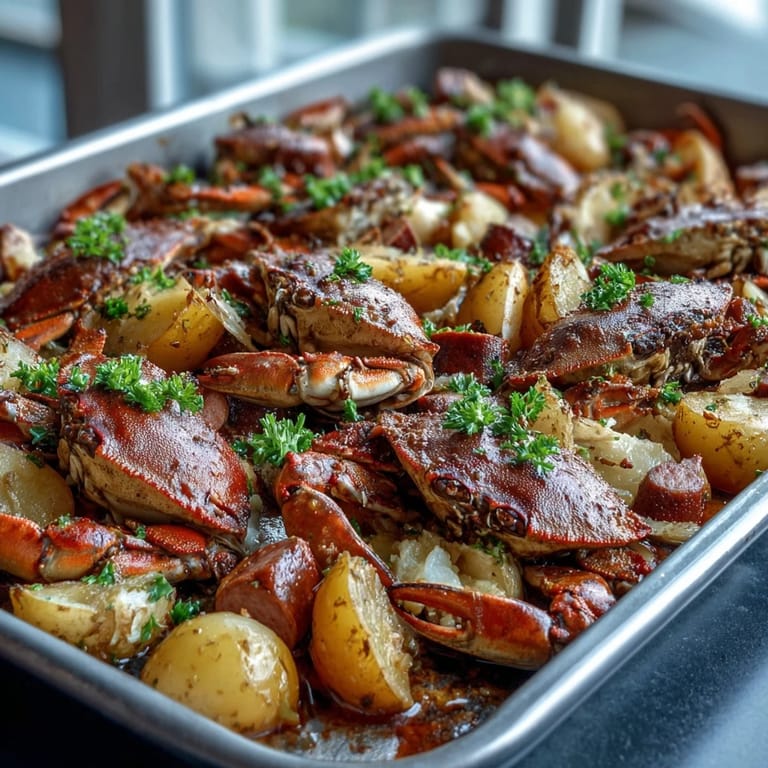
I made this for my roommate's birthday on a sticky August evening, and we set up a folding table in the backyard with newspaper spread across it like a real Louisiana crawfish shack. The second we dumped the pot onto that table, the smell hit everyone standing nearby—garlic, cayenne, melted butter—and someone actually said out loud, "That's summer right there." By the time we finished, our fingers were sticky, the table was a beautiful mess, and everyone was asking when we could do it again.
Ingredients
- Live crawfish, 4 lbs: Rinse them thoroughly in cold water just before cooking—they're active creatures and deserve respect, plus any sediment rinses away cleaner this way.
- Small red potatoes, 2 lbs: Keep the skin on; it holds the potato together during the boil and soaks up all that seasoned broth like a sponge.
- Corn, 6 ears: Halve or third them so they cook evenly and absorb more of the spiced liquid—whole ears cook unevenly.
- Yellow onions and garlic: Quartering the onions and splitting the garlic head lets their sweetness mellow into the broth instead of overpowering it.
- Cajun seasoning blend, 1/2 cup: This is your backbone; don't skimp or try to make it lighter—the spice gets distributed across gallons of water and mellows considerably.
- Smoked Andouille sausage, 1 lb: Two-inch pieces brown slightly from the boil and add smokiness that plays beautifully against the sweet corn and tender potatoes.
- Bay leaves, 4: These add an herbal backbone that ties everything together; don't skip them or substitute.
- Cayenne pepper, 1 tsp: Adjust based on your crowd's heat tolerance, but remember heat mellows as the liquid cools—you can always add more at the table.
- Unsalted butter, 4 tbsp: Melted at the end, this enriches every bite and makes the whole platter shine.
- Lemon and fresh parsley: The brightness of lemon cuts through the richness, and parsley adds color and a whisper of freshness that you didn't know you needed.
Tired of Takeout? 🥡
Get 10 meals you can make faster than delivery arrives. Seriously.
One email. No spam. Unsubscribe anytime.
Instructions
- Build your seasoning base:
- Fill a stockpot with 5 gallons of water and bring it to a rolling boil—you want that aggressive, bubbling heat before you add anything else. Stir in the Cajun seasoning, salt, peppercorns, bay leaves, cayenne, and add the onions, garlic halves, and lemon slices; let everything meld for a few minutes so the broth becomes deeply flavored.
- Start with potatoes:
- Add the scrubbed red potatoes and let them boil for 10 minutes before adding anything else—this gives them a head start since they take longest to cook. You're looking for them to be just tender but still holding their shape.
- Add corn and sausage:
- After the potatoes have had their time, add the corn pieces and sausage chunks and let everything boil together for 8 minutes. The sausage will give off a little smokiness into the broth, and the corn will turn a deeper, richer yellow.
- Finish with crawfish:
- Add the live crawfish, stir gently so they're submerged, cover the pot, and let it boil for 3 to 5 minutes until they turn that unmistakable bright red—don't overcook them or they'll get rubbery. Once they're red, they're done; overcooked crawfish lose their sweet tenderness.
- Let it rest:
- Turn off the heat, keep the pot covered, and let it sit for 10 minutes—this isn't wasted time, it's when all the flavors finish marrying together and everything gets more tender. The residual heat keeps everything warm without cooking it further.
- Drain carefully:
- Use a large strainer or tilt the pot carefully so you're pouring out the liquid while keeping the good stuff inside—you want the crawfish, vegetables, and sausage to stay in the pot. Some cooks save a cup of the broth for pouring over the platter at the end.
- Plate and finish:
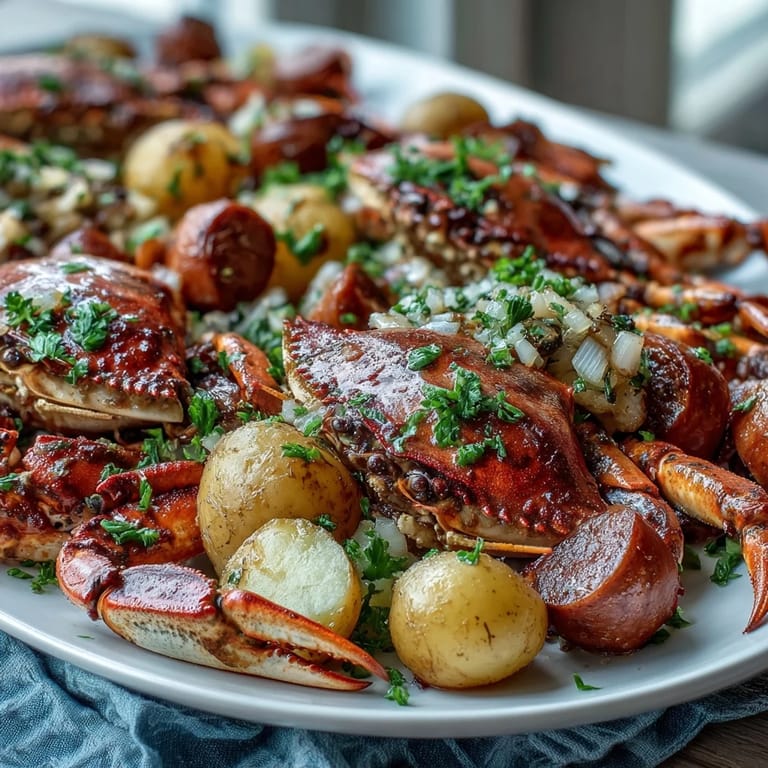
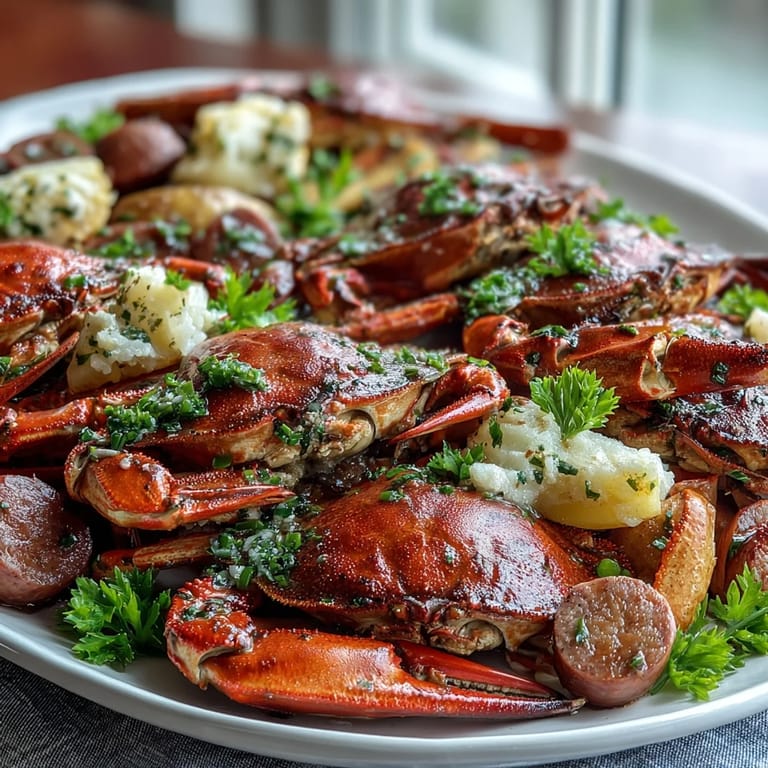
- Spread everything onto a large platter lined with newspaper or butcher paper, drizzle with that melted butter, and scatter fresh parsley over everything. Serve immediately with lemon wedges and hot sauce on the side so everyone can adjust to their taste.
 Save
Save What stays with me most is watching my friend's grandmother—who'd never had a crawfish boil before—crack open her first one and taste that tender meat dipped in butter and lemon. She got quiet for a second, then looked up with this smile that meant everything had just clicked into place. That's when I understood this dish is about more than spices and heat; it's about opening doors to new experiences and gathering around something messy and real together.
Timing It Right
Getting all your ingredients prepped before the water boils is the difference between a smooth, enjoyable cook and frantically chopping while steam rises in your face. I learned this the hard way when I started heating the water with potatoes still sitting on the cutting board—by the time I was ready to add them, the timing was off and everything finished at different times. Now I spend 15 minutes getting everything cut, measured, and arranged on the counter so when the boil starts, I'm just moving through steps instead of scrambling.
Adapting for Your Crowd
This recipe feeds 6 people generously, but the beauty of a boil is how easily it scales—add more potatoes and corn if you're feeding 10, or reduce everything by half if it's just four of you. The ratios stay the same, the water amount stays the same proportion, and the timing barely changes because you're not really cooking individual portions; you're building one massive, shared meal. I've made smaller versions in a Dutch oven for weeknight dinners and larger ones in an enormous pot for family reunions, and the magic never changes.
Flavor Layers and Customization
The genius of this dish is that every component absorbs the seasoned broth differently—the potatoes soak it up like they're hungry for it, the corn kernels burst with it, and the crawfish meat stays delicate inside its shell. Some people add a bottle of beer to the water for extra depth, others throw in a bag of premade boil seasoning packets, and some swear by adding celery or bell peppers to the broth. The base recipe is forgiving enough that you can make it your own while keeping that Louisiana spirit intact.
- If heat isn't your thing, reduce the cayenne to half a teaspoon and let people add hot sauce at the table instead of baking spice into everything.
- Shrimp works beautifully if crawfish aren't available or if you want something that cooks faster—add them in the last 2 minutes instead of 3 to 5.
- Save every bit of that cooking broth if you're serving on a table lined with newspaper; you can pour it back over everything for extra moisture and flavor.
 Save
Save This crawfish boil has become the meal I turn to whenever I want to gather people around something that feels celebratory without being fussy. Once you've made it once, you'll understand why it's stood the test of time in Louisiana kitchens.
Recipe FAQs
- → What is the best way to clean live crawfish before cooking?
Rinse crawfish thoroughly under cold water while gently stirring to remove any dirt or debris. Discard any that are dead or damaged before cooking.
- → Can smoked sausage be omitted from the boil?
Yes, sausage adds smokiness but is optional. The dish remains flavorful with just crawfish, corn, and potatoes.
- → How do I control the heat level of the Cajun seasoning?
Adjust cayenne pepper quantity to your preference. Start with less and add more gradually for desired spiciness.
- → What is the purpose of letting the boil sit covered after cooking?
Allowing the pot to sit lets flavors meld and settle, enhancing overall taste and tenderness.
- → Can this method be used with other seafood instead of crawfish?
Yes, shrimp or small crab pieces can be substituted, adjusting cooking times accordingly to avoid overcooking.