 Save
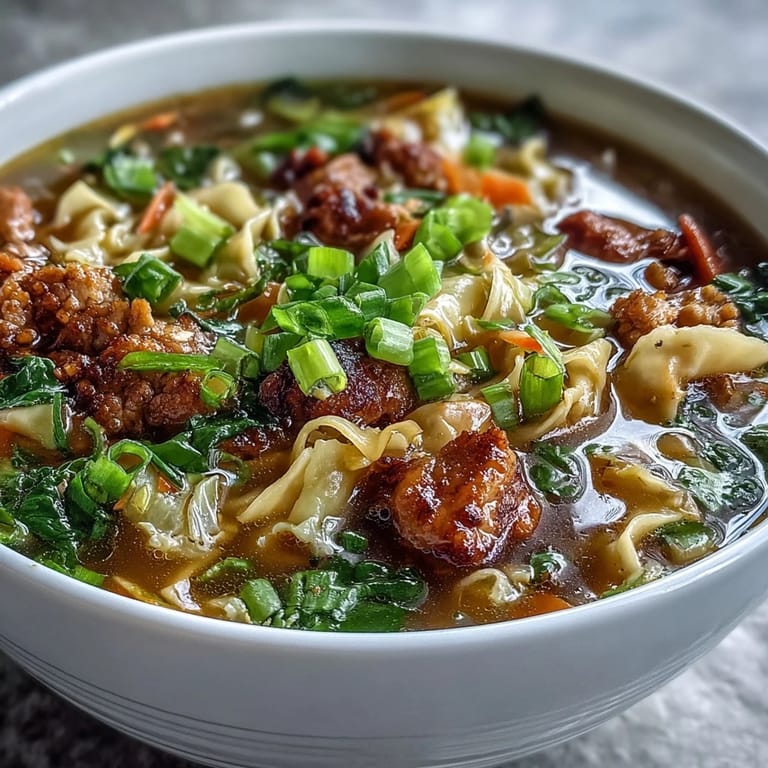
Save There's something about the smell of ginger hitting hot oil that makes a kitchen feel instantly alive. I discovered this soup on a particularly gray afternoon when I'd been craving the crispy, savory comfort of egg rolls but didn't have the energy to fold a single wrapper. Instead, I threw the soul of an egg roll into a pot—the pork, the cabbage, that unmistakable ginger warmth—and let it all simmer together. Twenty minutes later, I had something that tasted like a hug tastes.
I made this for my mom during one of those spontaneous Tuesday dinners, and she took one spoonful and got quiet in that way that means she's tasting something that matters. She asked for seconds, then thirds, and by the end of the meal she was already wondering what she could add to make it hers. That's when I knew this recipe had something special.
Ingredients
- Ground pork (1 pound): The backbone of this soup—use the best quality you can find, and don't hesitate to swap in chicken or turkey if that's what's in your fridge.
- Fresh ginger (2 tablespoons grated): This is the flavor that makes people lean forward and ask what they're tasting; fresh ginger gives you that bright, almost tingly warmth that ground ginger can't quite match.
- Garlic (4 cloves minced): Mince it small enough that it practically melts into the broth, which means more even flavor and no big chunks to startle you mid-spoonful.
- Soy sauce (1 tablespoon): The savory anchor that ties everything together; keep tamari on hand if you're cooking gluten-free.
- Sesame oil (1 tablespoon): Use the dark, toasted kind—it's more flavorful and a little goes a long way, so you're not drowning the other tastes.
- Yellow onion (1 medium): Diced small so it softens completely and flavors the whole pot rather than staying distinct.
- Chicken broth (6 cups): Low-sodium is non-negotiable here because you're building flavor, not starting with it already at maximum.
- Shredded carrots (1 cup): They add natural sweetness and color; I sometimes use red bell pepper instead when I want something brighter.
- Green cabbage (4 cups thinly sliced): The vegetable that makes this taste like an egg roll; Napa cabbage works beautifully too if that's easier to find.
- Green onions (1/2 cup chopped): Split this in half—half goes into the pot, half stays fresh for garnish so you get that pop of color and bite at the end.
- Rice vinegar (1 tablespoon): A quiet balancing act that keeps everything from tasting heavy; apple cider vinegar works in a pinch.
- Eggs (2 large, beaten): Completely optional, but they add a silkiness that makes the soup feel more luxurious than it has any right to be.
- Red pepper flakes or sriracha: For people who want heat; I keep both on the table and let everyone dial in their own comfort level.
Tired of Takeout? 🥡
Get 10 meals you can make faster than delivery arrives. Seriously.
One email. No spam. Unsubscribe anytime.
Instructions
- Brown the pork:
- Heat your pot over medium-high heat and add the ground pork, breaking it apart with your spoon as it cooks for about 5 to 7 minutes until there's no pink left. The meat will release some fat—you can leave a little for flavor, but drain off the excess if it seems like a lot.
- Build the aromatics:
- Add your diced onion, minced garlic, and grated ginger to the pork and let everything sauté together for 3 to 4 minutes until the kitchen smells incredible and the onions turn translucent. You're not looking for anything brown here, just soft and fragrant.
- Add the seasonings:
- Stir in the soy sauce, sesame oil, and rice vinegar, scraping the bottom of the pot to pull up any flavor stuck there. This is when the soup starts to smell like actual egg rolls.
- Simmer the broth:
- Pour in your chicken broth and bring it to a gentle boil, then add the shredded carrots and sliced cabbage. Lower the heat and let everything simmer for 10 to 15 minutes until the vegetables are tender but not mushy.
- Add the eggs (if using):
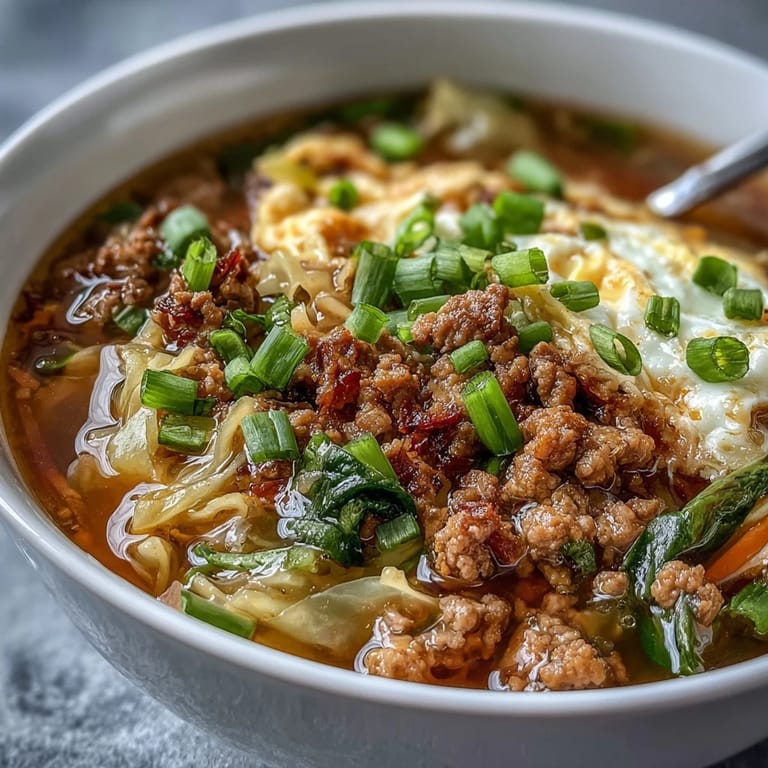
- If you're going the egg route, slowly drizzle your beaten eggs into the gently simmering soup while stirring in a circular motion—this creates those silky ribbons instead of scrambled bits. It takes about a minute and feels almost meditative.
- Finish and taste:
- Taste the soup and adjust salt and pepper until it tastes right to you. Remember that soy sauce is already salty, so go easy.
- Serve with care:
- Ladle into bowls and top with your reserved fresh green onions, then set out the red pepper flakes or sriracha so people can add heat to their own taste.
 Save
Save There's a specific comfort that comes from watching someone's shoulders relax a little after their first spoonful of this soup. It's warm and familiar and somehow manages to taste like home even if you've never had it before. That's what this dish does.
Why Fresh Ginger Makes All the Difference
I learned the hard way that ground ginger just doesn't have the same living quality as fresh—it tastes almost chalky by comparison, like someone photocopied the flavor instead of capturing the real thing. Fresh ginger brings brightness and heat that wakes up your whole mouth, and in a soup where everything else is gentle and cozy, that contrast is exactly what you need. The effort of grating it takes maybe two minutes, and the difference it makes is worth every second.
Playing With Vegetables and Proteins
This soup treats its ingredient list like suggestions rather than rules, which is part of why I keep making it. When I'm low on cabbage I use bok choy, when carrots look tired in the drawer I switch to snap peas or mushrooms, and when I don't have pork I've made beautiful versions with shredded chicken or crumbled tofu. The structure holds everything together so nothing falls apart when you swap things around.
Serving and Storage Secrets
This soup tastes best the day you make it, when the vegetables still have some snap to them and the flavors haven't all blurred together into one note. It does keep in the refrigerator for three days and actually gets easier to reheat if you skip the eggs until you're serving it—just warm the broth and vegetables, then add beaten eggs at the very end. If you're planning ahead, freeze the broth base without the eggs and vegetables, then build the soup fresh when you're ready to eat.
- Serve alongside steamed white rice or crispy wonton strips for something to dunk and crunch.
- A small side of sliced fresh ginger and extra green onions lets people customize their bowl to their own taste.
- This soup makes enough for lunch the next day if you're feeding yourself, or a light dinner for six if you're feeding other people.
 Save
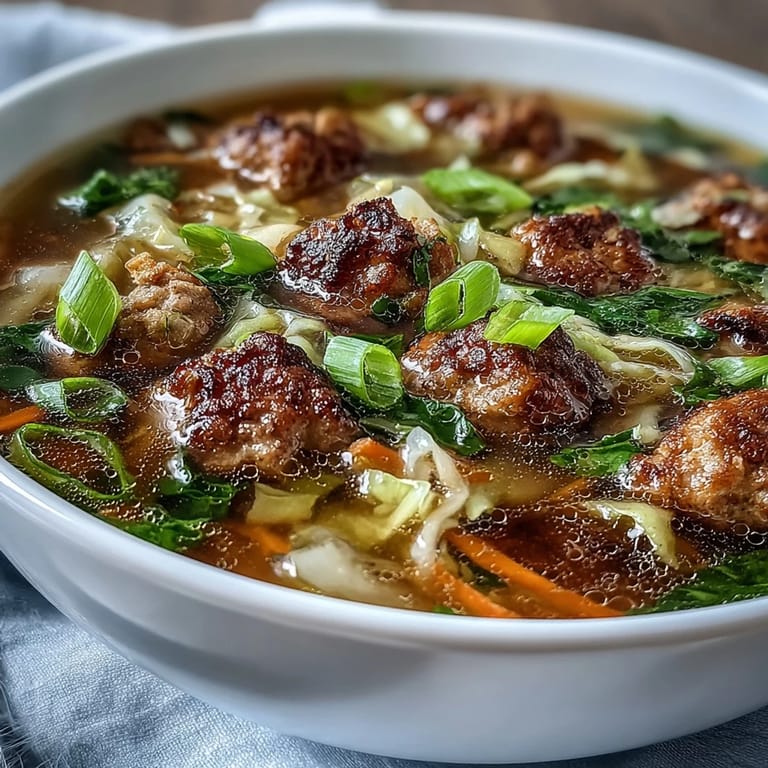
Save This is the kind of recipe that settles into your regular rotation without you really planning for it to happen. One pot, one satisfied person, and somehow that's enough.
Recipe FAQs
- → Can I substitute ground pork with other meats?
Yes, ground chicken or turkey work well, offering a similar texture with a lighter flavor.
- → How can I make this dish vegetarian?
Use vegetable broth and replace ground meat with diced tofu or mushrooms for a plant-based alternative.
- → What gives the dish its signature aroma?
Fresh ginger and garlic sautéed with onions provide the distinctive fragrant base.
- → Is it possible to add heat to the soup?
Absolutely, red pepper flakes or sriracha can be included to add a spicy kick according to taste.
- → How do the eggs affect the texture of the dish?
Beaten eggs poured slowly create silky ribbons, adding softness and richness to the broth.
- → Can this dish be made gluten-free?
Yes, by using gluten-free tamari instead of traditional soy sauce, it suits a gluten-free diet.