 Save
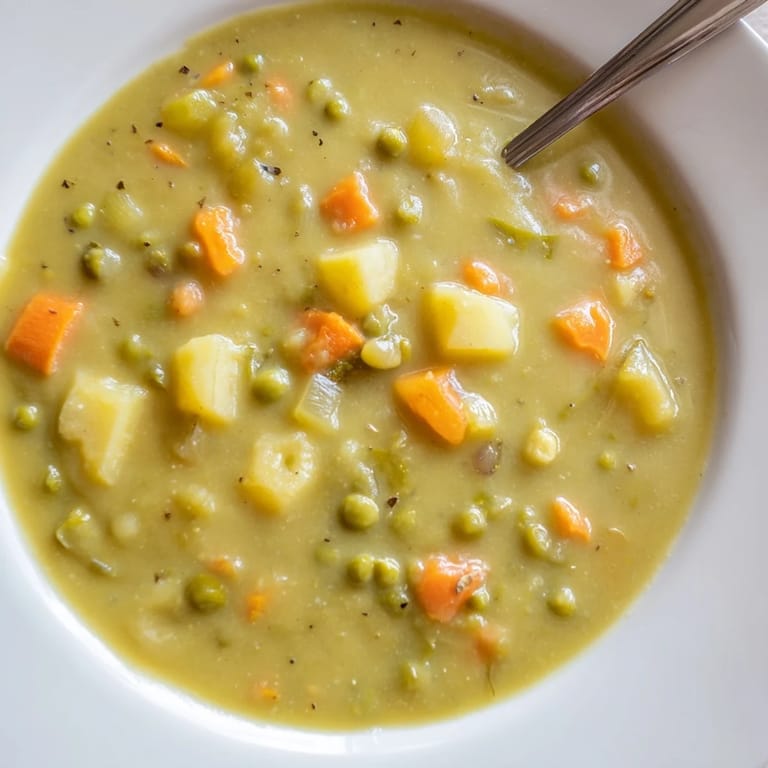
Save My grandmother swore the secret to great split pea soup was patience and a rainy Sunday. I'd watch her standing at her tiny stove, steam fogging up the kitchen window as she stirred that olive-green pot, humming something unintelligible. It wasn't until years later, attempting to recreate that same comfort in my own drafty apartment, that I understood what she meant about letting time do the work.
Last January, during that blizzard that trapped us inside for three days, I made a triple batch. My neighbor texted that she could smell it through her vents, which is how I ended up sharing Tupperware containers across the hallway. There's something about a pot of soup simmering that makes people less lonely, even in the middle of winter.
Ingredients
- 2 cups dried split green peas, rinsed: These humble legumes melt into the silkiest texture, but give them a good rinse and pick through for any small stones
- 1 large onion, diced: The foundation of flavor, take your time dicing evenly so everything cooks at the same rate
- 2 carrots, peeled and diced: Sweet earthiness that balances the peas, cut them roughly the same size as your onion
- 2 celery stalks, diced: Don't skip this, it provides that classic soup depth you can't quite put your finger on
- 2 garlic cloves, minced: Add this after the vegetables soften so it doesn't burn and turn bitter
- 1 medium potato, peeled and diced: My grandmother's trick for extra creaminess without actually adding cream
- 1 bay leaf and 1 teaspoon dried thyme: Gentle herbs that won't overpower but make everything taste intentional
- 6 cups vegetable broth: Good quality broth matters since it's the main liquid, but don't stress about homemade
- 1 tablespoon olive oil: Just enough to sauté your vegetables and build that first layer of flavor
- 1 cup diced smoked ham, optional: Adds that traditional smoky depth, but smoked paprika works beautifully if you want to keep it vegetarian
- 1/2 teaspoon black pepper and salt, to taste: Season gradually, tasting as you go since the flavor concentrates as it simmers
Tired of Takeout? 🥡
Get 10 meals you can make faster than delivery arrives. Seriously.
One email. No spam. Unsubscribe anytime.
Instructions
- Build your flavor foundation:
- Heat that olive oil in a large soup pot over medium heat and add your onion, carrots, and celery, letting them soften and become fragrant for about 5 minutes. You'll notice the onions turning translucent and the whole kitchen starting to smell like something good is happening.
- Wake up the garlic:
- Stir in your minced garlic and cook for just 1 minute until it becomes fragrant, but keep a close eye because burnt garlic turns bitter and ruins all your careful work.
- Bring everything together:
- Add those rinsed split peas, diced potato, bay leaf, thyme, and pour in your broth. If you're using ham for that traditional smoky depth, add it now, then bring everything to a gentle boil.
- Let time work its magic:
- Reduce your heat to low, cover the pot, and let it simmer for about 1 hour. Stir occasionally and you'll watch the peas break down and the soup transform from separate ingredients into something velvety and cohesive.
- The finishing touches:
- Fish out the bay leaf and decide on your texture. For a completely smooth soup, give it a quick whirl with an immersion blender, or blend just half in a regular blender for that perfect middle ground between chunky and creamy.
- Taste and adjust:
- Season with salt and pepper, starting with the half teaspoon of pepper and adding salt gradually, remembering that flavors develop as the soup sits.
 Save
Save My friend Kristen calls this her divorce soup because she lived on it during that first winter alone, finding comfort in something that nourished her without demanding anything in return. Sometimes the simplest foods are the ones that carry us through the hardest days.
Making It Without The Ham
I've been making this vegetarian for years, and honestly, I don't miss the ham. A generous teaspoon of smoked paprika stirred in with the garlic gives you that same smoky depth, and the soup feels somehow lighter and cleaner.
The Texture Question
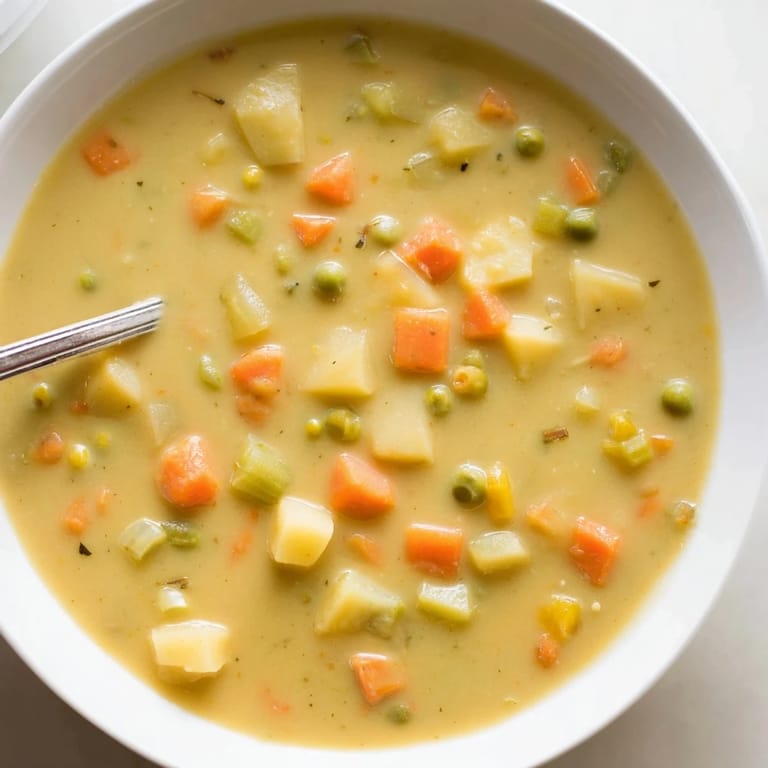
Split pea soup is personal—some people want it velvety smooth, others prefer it chunky and rustic. I've found that blending about half gives you the best of both worlds, with body from the whole peas but that luxurious creaminess we all crave.
Serving Suggestions
A thick slice of crusty bread is non-negotiable, perfect for dragging through every last drop. I also like to set out a small bowl of shredded sharp cheddar, a drizzle of good olive oil, and some extra cracked black pepper so everyone can customize their bowl.
- The soup actually tastes better the next day, so don't hesitate to make it ahead
- Freezes beautifully for those nights when cooking feels impossible
- If reheating, add a splash of broth because it will have thickened considerably
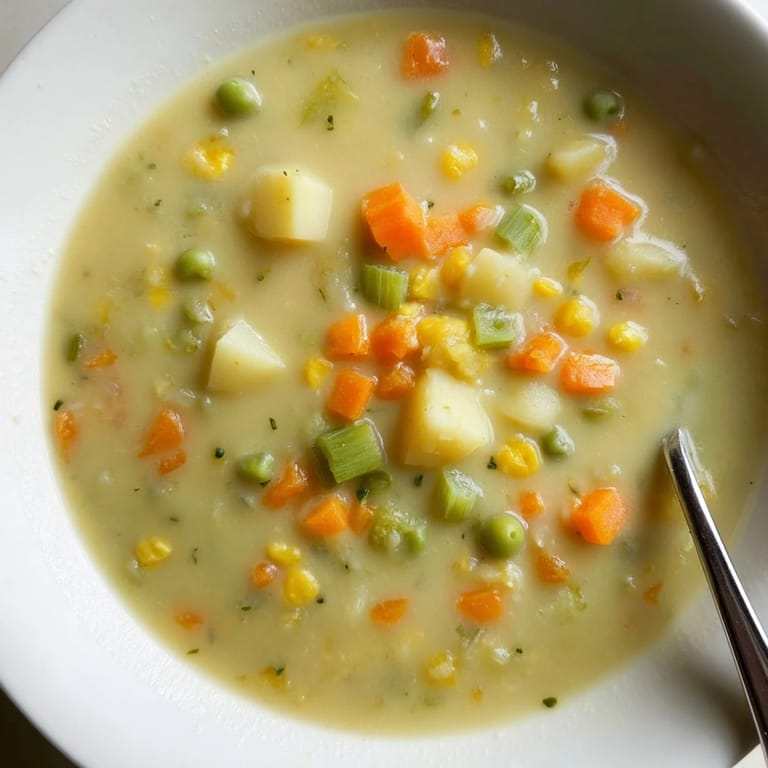 Save
Save There's nothing quite like lifting that lid and seeing something so nourishing, so simple and so good. This is the kind of cooking that reminds us why we bother to cook at all.
Recipe FAQs
- → Do split peas need to be soaked before cooking?
No soaking required! Split peas cook relatively quickly compared to dried beans. Rinse them thoroughly and add directly to the pot. They'll soften beautifully during the simmering process.
- → How do I achieve a smoky flavor without meat?
Smoked paprika is an excellent vegetarian alternative. Add 1-2 teaspoons during cooking to replicate that traditional smoky depth. Liquid smoke also works well—use sparingly as it's quite potent.
- → Can I freeze split pea soup?
Absolutely! This soup freezes exceptionally well. Cool completely, then store in airtight containers or freezer bags for up to 3 months. Thaw overnight in the refrigerator and reheat with a splash of broth to restore consistency.
- → Why is my soup too thick?
Split peas naturally thicken as they cook and continue to absorb liquid. Simply add more vegetable broth or water until you reach your desired consistency. This is actually a sign the peas have cooked properly and released their starches.
- → What vegetables work best in this soup?
The classic mirepoix trio—onions, carrots, and celery—provides the foundation. Potatoes add body and creaminess. Feel free to add leeks, parsnips, or diced turnips for variation. Avoid strong-flavored vegetables that might overpower the delicate pea flavor.
- → How can I tell when split peas are fully cooked?
Fully cooked split peas should be completely tender and starting to break down. When pressed against the pot side with a spoon, they should easily mash. This breakdown is what creates the soup's signature creamy texture. Taste for any chalkiness—cooked peas should be smooth throughout.