 Save
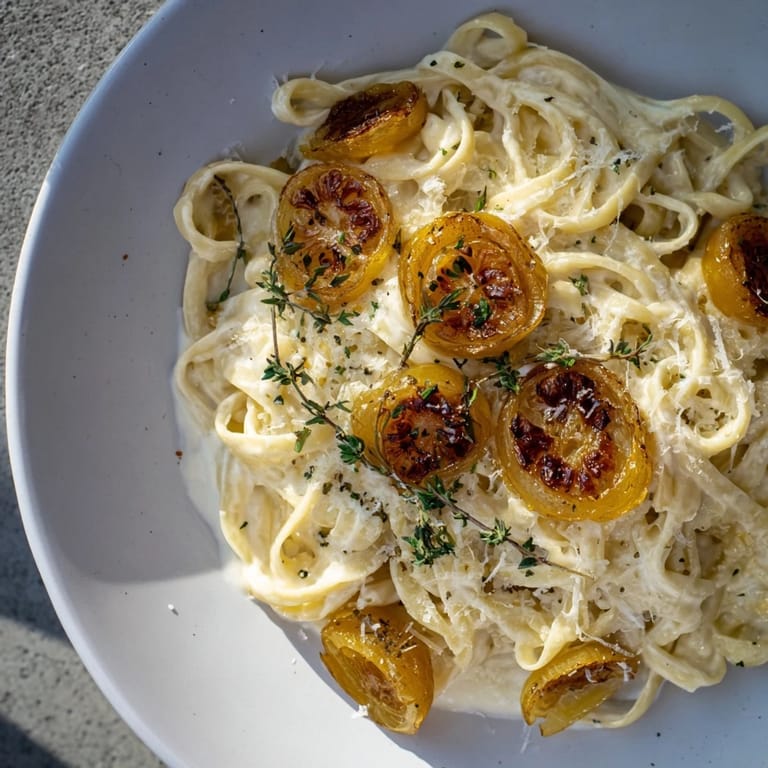
Save There's something almost meditative about standing at the stove, watching onions transform from sharp and pungent into glossy caramel ribbons. I discovered this dish on a cold evening when I had half a bottle of white wine sitting on the counter and a sudden craving for something that felt both indulgent and impossibly simple to make. One pot, one technique, and somehow you end up with a dish that tastes like it took hours of coaxing in a French bistro kitchen.
I made this for my sister on a rainy Saturday, and she sat at my kitchen counter with a spoon, stealing bites straight from the pot before I could even plate it properly. She kept asking what restaurant secret I was hiding, and the truth was just patience and good cheese—two things worth investing in.
Ingredients
- Yellow onions: Three large ones, sliced thin so they cook evenly and collapse into pure sweetness—this is where the magic starts.
- Butter and olive oil: Together they create the ideal medium for coaxing out every bit of caramel flavor without burning.
- Garlic: Just two minced cloves, added after the onions so it stays fragrant and doesn't overpower.
- Dry white wine: A quarter cup that deglazes the pan and adds subtle acidity to balance the richness.
- Vegetable or beef broth: Four cups become your pasta-cooking liquid and sauce base in one brilliant move.
- Fettuccine or linguine: Twelve ounces of dry pasta that soaks up flavor as it cooks directly in the broth.
- Gruyère cheese: One cup grated, with that nutty complexity that makes this dish sing.
- Parmesan cheese: Half a cup adds sharp bite and helps everything meld into creamy perfection.
- Thyme, bay leaf, and sugar: A teaspoon of dried thyme, one bay leaf, and a teaspoon of sugar round out the flavors and help caramelization along.
- Salt and black pepper: Always taste before serving because broth saltiness varies and you want to adjust to your preference.
Tired of Takeout? 🥡
Get 10 meals you can make faster than delivery arrives. Seriously.
One email. No spam. Unsubscribe anytime.
Instructions
- Melt and begin:
- Heat butter and olive oil together over medium heat in your largest pot or Dutch oven. The combination gives you stability—butter for flavor, oil for a higher smoke point so nothing burns.
- Caramelize the onions:
- Add your sliced onions and a teaspoon of sugar, stirring occasionally as they slowly turn golden, then deep brown, over 20 to 25 minutes. This isn't a race—the slower they go, the sweeter they become. You'll smell them transform, and that's exactly what you want.
- Build the aromatics:
- Mince in your garlic and cook just until the kitchen smells like a French kitchen should, about one minute. Don't let it sit too long or it turns bitter.
- Deglaze with wine:
- Pour in the white wine, scraping at the bottom of the pot with a wooden spoon to lift up all those caramelized bits stuck to the bottom. They're flavor gold. Let it bubble away for about two minutes until most of the wine evaporates.
- Add herbs and broth:
- Stir in the thyme and bay leaf, then pour in all four cups of broth and bring everything to a boil. The smell at this moment is almost unreal.
- Cook pasta in the broth:
- Add the uncooked pasta directly to the pot, stirring well so nothing clumps. Reduce heat to medium-low and let it simmer uncovered for 10 to 12 minutes, stirring frequently, until the pasta is tender and most of the liquid has been absorbed into each strand.
- Finish with cheese:
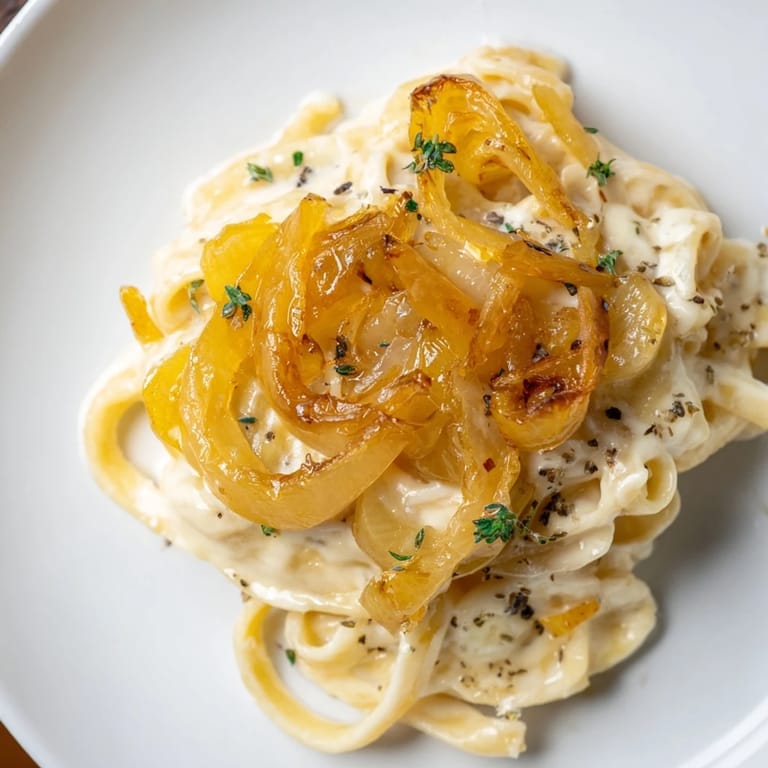
- Fish out the bay leaf, then stir in both cheeses until everything is melted and the whole pot turns creamy and luxurious. Taste and adjust salt and pepper—this is your chance to make it exactly right.
- Serve and garnish:
- Spoon into bowls while everything is hot, top with fresh parsley and extra cheese if you want to be a bit fancy about it.
 Save
Save This dish taught me that sometimes the most memorable meals aren't the complicated ones but the ones where a few quality ingredients get treated with respect and time. It's become my go-to when I want to feel like I've done something special without the stress.
The Onion Question
People often ask if you can skip the caramelization step or speed it up, and the answer is no—not if you want this dish to taste like itself. The slow browning is where the sweetness lives, where the onions lose their sharp bite and become almost jam-like. Rushing it gives you a completely different dish, which is fine if that's what you want, but it won't be this one. Yellow onions are your best choice because their natural sugars caramelize beautifully, but Vidalia onions work too if you're lucky enough to find them in season.
Wine and Broth Decisions
The white wine doesn't just add flavor—it cuts through the richness with subtle acidity and helps deglaze all those precious browned bits from the bottom of the pot. You don't need anything expensive, just something you'd actually drink. For the broth, vegetable broth keeps this vegetarian and lets the onion flavor shine, while beef broth adds a deeper, more savory note that some people prefer. I've made it both ways depending on what I'm serving it with and who's eating it.
Cheese and Texture
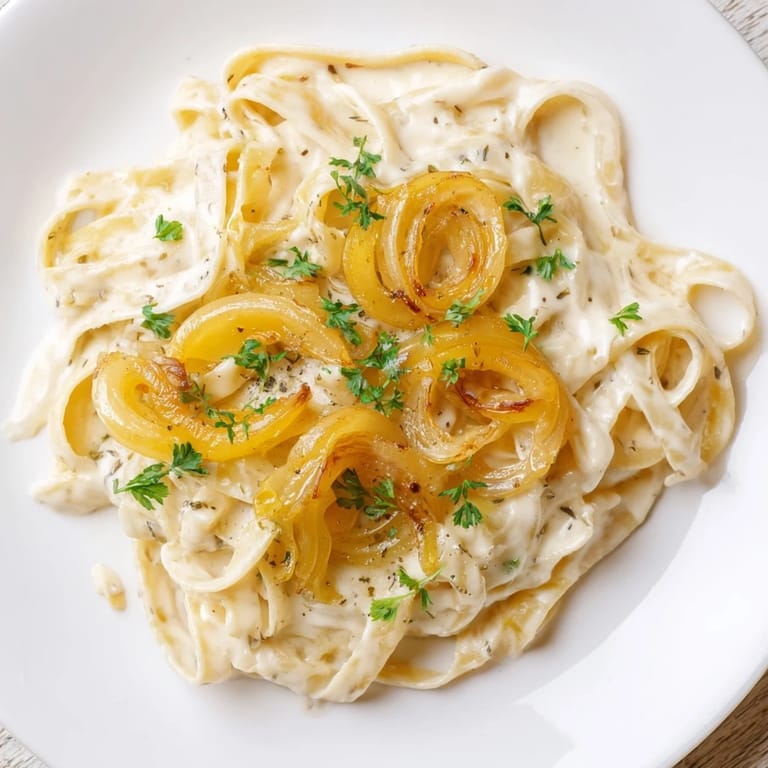
Gruyère is worth seeking out because of its nutty complexity, but it's also genuinely delicious and worth the small splurge for a dish this simple. The Parmesan adds sharpness and helps everything emulsify into creaminess. Grating your own cheese rather than using pre-shredded makes a noticeable difference in how smoothly it melts—the anti-caking agents in pre-grated cheese can make things slightly grainy.
- If Gruyère isn't available, Swiss cheese or even a good white cheddar works in a pinch.
- Add the cheese off the heat or over very low heat so it melts gently without the fat separating.
- Fresh parsley at the end adds a bright note that cuts through the richness.
 Save
Save This is comfort food that tastes elegant, a one-pot dinner that leaves you full and happy without leaving you buried in dishes. Make it once and you'll understand why it became a regular in my rotation.
Recipe FAQs
- → How do I achieve deeply caramelized onions?
Cook sliced onions slowly over medium heat with butter and a pinch of sugar for 20–25 minutes, stirring occasionally until golden brown.
- → Can I use a different type of pasta?
Yes, linguine or other long pasta varieties work well, but adjust cooking time accordingly to reach al dente texture.
- → What broth options enhance flavor?
Vegetable broth makes a vegetarian version, while beef broth adds richer, deeper flavors to the dish.
- → How do I prevent pasta from sticking during cooking?
Stir frequently during simmering to keep pasta separate and ensure even cooking and absorption of broth flavors.
- → What cheeses complement this dish best?
Gruyère and Parmesan cheeses melt smoothly, adding savory depth and creaminess essential to the dish’s character.