 Save
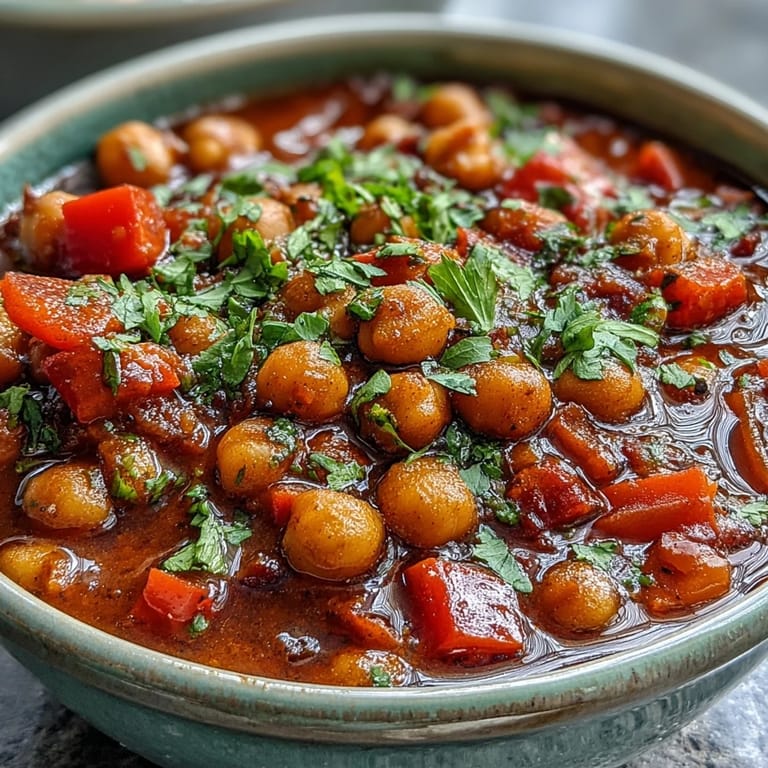
Save One October evening, I stood in my kitchen watching the rain streak down the windows, and all I wanted was something warm that didn't require meat or complicated techniques. I opened my pantry, spotted two cans of chickpeas gathering dust, and decided to build a stew around them—tossing in spices I'd been meaning to use properly. Within an hour, my apartment smelled like a spice market, and I realized I'd stumbled onto something that would become a weeknight staple.
I made this for my friend Maya on a Tuesday when she'd had the kind of day that needed feeding, and watching her face when she tasted that first spoonful—how the warmth and the spices seemed to settle something in her—reminded me why I cook. She asked for the recipe, and now whenever I see her, she mentions how that stew showed up exactly when she needed it.
Ingredients
- Chickpeas (2 cans, drained and rinsed): These are your protein and backbone, sturdy enough to hold their shape through simmering but tender enough to break down slightly and thicken the broth naturally.
- Onion (1 large, finely chopped): This is your flavor foundation—the softer it gets, the sweeter it becomes, building the stew's savory base.
- Garlic (2 cloves, minced): Don't skip mincing it fine; larger pieces can turn harsh and overpowering, while minced garlic distributes evenly and mellows beautifully.
- Carrots (2, diced): They add natural sweetness and textural contrast, and they take the same time to soften as everything else, which is why this stew feels balanced.
- Red bell pepper (1, diced): This brings brightness and a slight sweetness that plays beautifully against the warm spices.
- Diced tomatoes (1 can, 14 oz): Use canned tomatoes here rather than fresh; the acidity is more consistent and helps balance the richness of the spices.
- Vegetable broth (2 cups): The quality matters more than you'd think—a thin, bland broth will taste thin and bland, but a good one becomes the soul of the stew.
- Tomato paste (2 tablespoons): This is concentrated tomato flavor that deepens the stew's color and adds umami without requiring extra cooking time.
- Olive oil (2 tablespoons): Use regular, not extra virgin; it won't burn as easily and lets the spices shine.
- Cumin (1 teaspoon, ground): This is the main spice voice in the stew, warm and slightly earthy.
- Smoked paprika (1 teaspoon): It adds depth and a hint of smoke without actual heat; it's what makes this taste less like a plain bean stew and more like something intentional.
- Coriander (1/2 teaspoon, ground): This brings a subtle citrus note that lifts everything without announcing itself.
- Turmeric (1/2 teaspoon, ground): It adds color, earthiness, and a gentle warmth that complements the other spices.
- Chili flakes (1/2 teaspoon, adjust to taste): Start here, taste at the end, and add more if you want the stew to speak louder—heat is personal.
- Cinnamon (1/2 teaspoon, ground): Just a whisper of sweetness and warmth that ties the spice blend together in a way that feels unexpected and right.
- Bay leaf (1): This simmers quietly in the background, adding structural complexity without taking over; always remember to fish it out.
- Lemon juice (1/2 lemon): Add this at the very end; it brightens everything and prevents the stew from tasting heavy or one-note.
- Fresh cilantro or parsley (2 tablespoons, chopped): This is the final wake-up call, adding freshness and color that makes the stew feel alive.
Tired of Takeout? 🥡
Get 10 meals you can make faster than delivery arrives. Seriously.
One email. No spam. Unsubscribe anytime.
Instructions
- Warm your pot and start with onions:
- Heat olive oil over medium heat in a large pot, then add your chopped onion. Let it soften for 4 to 5 minutes, stirring occasionally—you'll know it's ready when it turns translucent and sweet-smelling, not when it's browning.
- Add the supporting vegetables:
- Stir in garlic, carrots, and red bell pepper, then sauté for 3 to 4 minutes. You're not trying to cook them all the way through; you're just waking them up and letting them release their initial flavors into the oil.
- Bloom your spices:
- Add cumin, smoked paprika, coriander, turmeric, chili flakes, and cinnamon all at once, then stir for about 1 minute. Your kitchen will smell incredible, and that fragrant moment means the spices are releasing their essential oils into the hot oil.
- Build the base:
- Stir in tomato paste first, letting it cook into the spices for a minute, then add diced tomatoes, chickpeas, vegetable broth, and the bay leaf. Bring everything to a boil so the broth starts working on all those vegetables.
- Simmer and develop flavor:
- Reduce heat to low, cover the pot, and let it bubble gently for 25 minutes, stirring occasionally. This is when the stew becomes itself, when flavors meld and the chickpeas soften slightly at the edges.
- Finish and thicken:
- Remove the lid and simmer uncovered for another 5 minutes to let excess liquid evaporate and the stew thicken slightly. Taste as it cooks; you'll notice how the flavors become more concentrated.
- Season and brighten:
- Fish out the bay leaf, squeeze in lemon juice, and stir in fresh cilantro or parsley. Taste and adjust salt, pepper, and chili heat to match what you want; this last step is where you claim the stew as your own.
- Serve with intention:
- Ladle the stew into bowls while it's hot, and serve with crusty bread for dipping or over rice if that's how you like to eat it. Either way, the warmth and the spices will do the rest.
 Save
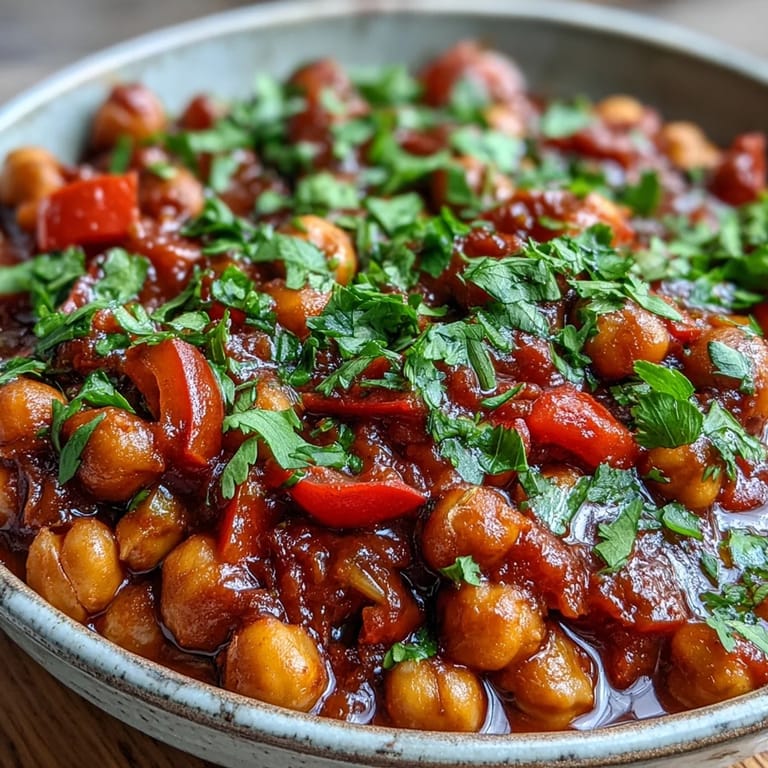
Save My partner came home midway through cooking and asked what smelled so good, and when I told him it was just chickpeas and spices, he looked skeptical. But then he tasted it, and he's asked me to make it every week since, which is how I know this recipe works—not because it's fancy, but because it's honest.
Why Spices Matter More Than You Think
The real secret here is that this stew tastes sophisticated because of how the spices talk to each other, not because of any single ingredient. Cumin gives you warmth, paprika adds depth, cinnamon brings unexpected sweetness, and together they create something your palate recognizes as complex and intentional. When I first made this, I thought one or two spices would be enough, but that's the difference between a stew and a really good stew.
How to Know It's Done
The stew tells you when it's ready through texture and aroma. The vegetables should be soft enough to break with a wooden spoon, and the broth should coat the back of a spoon slightly without being soupy. By the time you add the lemon juice and herbs, the kitchen should smell like a warm market in Morocco or India, depending on what you're thinking about.
What Makes This Yours
This recipe is a template, and the best version is the one that matches your taste and your pantry. Some people add jalapeños for extra heat, others stir in a handful of spinach in the last minute, and I've seen versions where people use kidney beans instead of chickpeas. The structure stays the same, but your choices make it personal.
- If you prefer cilantro but only have parsley, or vice versa, use what you have and don't second-guess it.
- You can make this in a Dutch oven if you want to move it to the oven instead of the stovetop; just reduce the heat to 325 degrees after bringing it to a boil and let it braise for 30 minutes.
- Taste the stew before serving and remember that salt and lemon are your friends if something feels flat or unfinished.
 Save
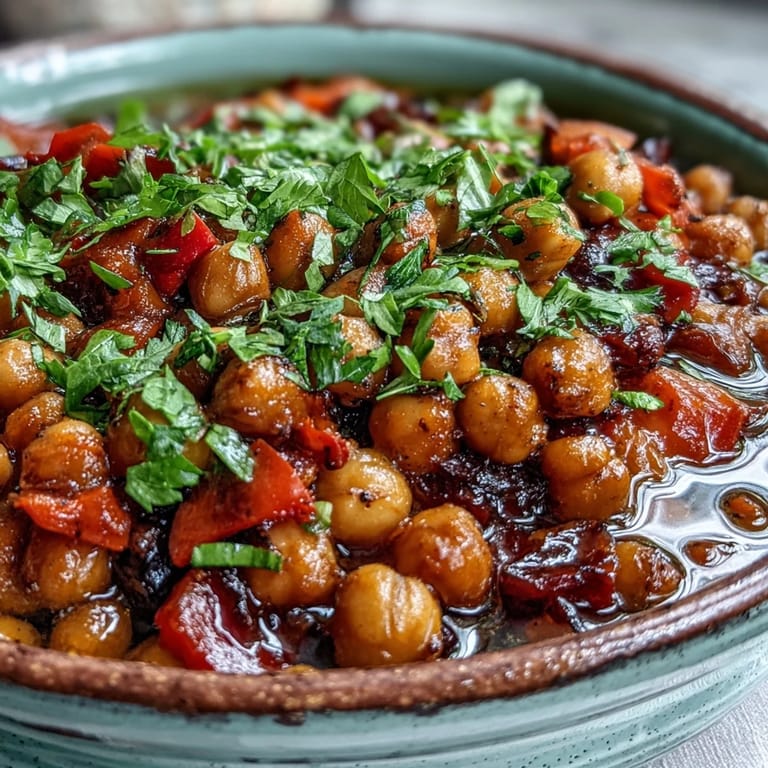
Save This stew has become the dish I make when I want to take care of someone, including myself. It asks for a little attention but not much effort, and it delivers comfort in every spoonful.
Recipe FAQs
- → Can I make this stew with dried chickpeas?
Yes, you can use dried chickpeas. Soak them overnight, then cook until tender before adding to the stew. You'll need about 1½ cups dried chickpeas to equal the two cans. Plan for extra cooking time to ensure they're fully tender.
- → How spicy is this dish?
The spice level is moderate and warming rather than overpowering. The chili flakes provide gentle heat, while cinnamon and smoked paprika add depth. Adjust the chili flakes to your preference—reduce for milder flavor or increase for more intensity.
- → Can I freeze this stew?
Absolutely. This stew freezes beautifully for up to 3 months. Cool completely before transferring to freezer-safe containers. Thaw overnight in the refrigerator and reheat gently on the stovetet, adding a splash of broth if needed.
- → What vegetables can I add or substitute?
Sweet potatoes, butternut squash, or eggplant work beautifully in this stew. You can also add spinach or kale during the last 5 minutes of cooking for extra nutrition. The vegetable base is quite flexible based on what you have available.
- → How long do leftovers keep?
Store leftovers in an airtight container in the refrigerator for 4-5 days. The flavors actually deepen and improve over time, making this an excellent dish for meal prep or making ahead for gatherings.
- → What pairs well with this stew?
Crusty bread, naan, or pita are perfect for soaking up the flavorful broth. Serve over rice, quinoa, or couscous for a heartier meal. A crisp white wine like Sauvignon Blanc or a light red wine complements the spices nicely.