 Save
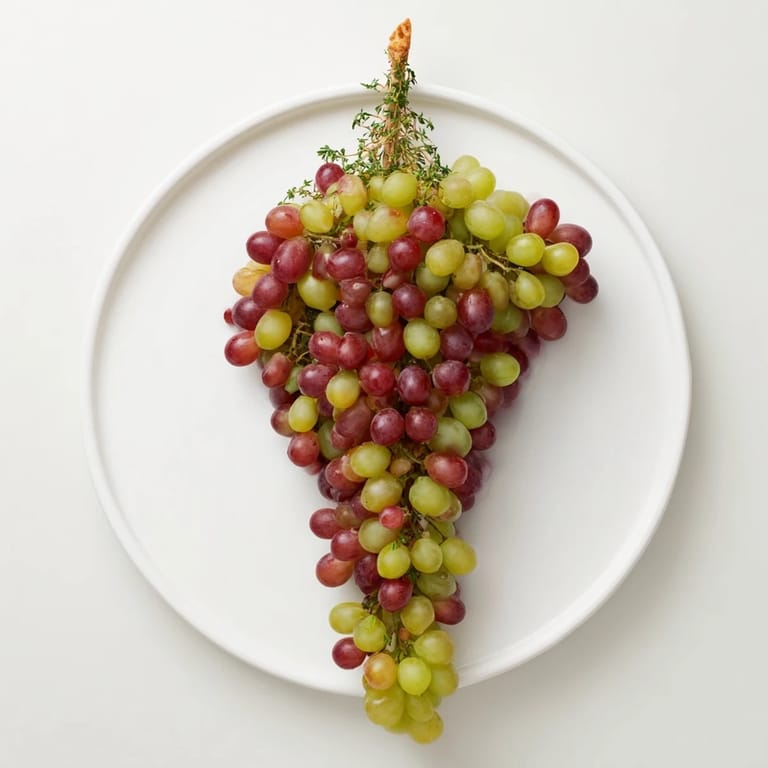
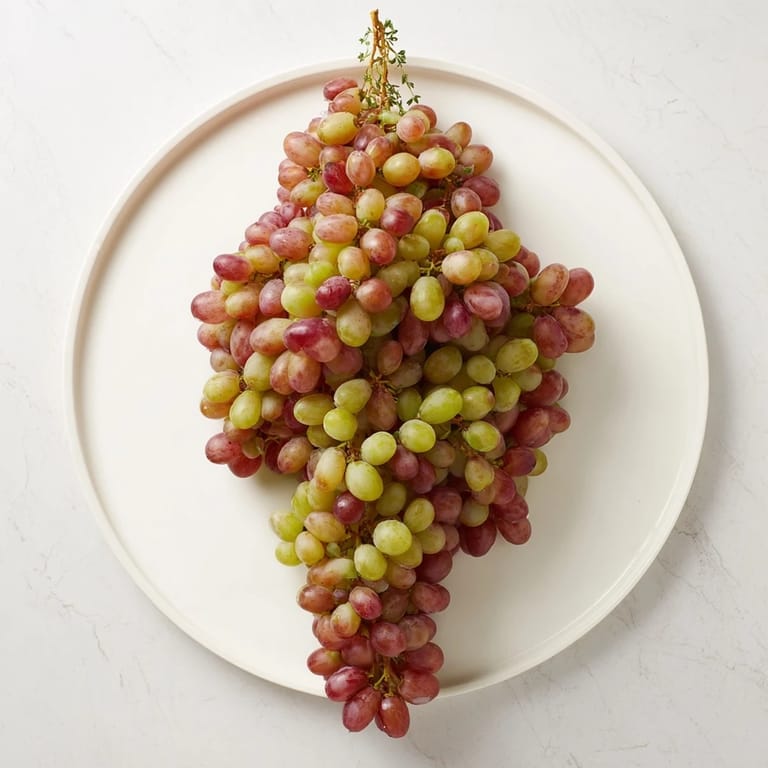
Save I'll never forget the first time I arranged a grape cluster for a dinner party—I was nervous, thinking something so simple couldn't possibly impress. But as I cascaded those jewel-toned grapes across the board, building them into that elegant teardrop shape, something magical happened. My guests gasped before they even tasted anything. That's when I realized that the best appetizers aren't just about flavor; they're about creating a moment, a memory, a reason for everyone to lean in closer. The Vineyard Grape Cluster Drop became my secret weapon for making entertaining feel effortless and unforgettable.
I made this for a wine tasting last summer, and I watched it disappear faster than I could say "more grapes." What surprised me most wasn't just how quickly people ate it—it was how it became a conversation starter. Someone asked if I'd arranged each grape by hand, another wanted to know my secret for keeping them so fresh-looking, and a third simply said it was too beautiful to eat. That's when I understood: this isn't just food. It's theater.
Ingredients
- 600 g seedless green grapes: These are your foundation—choose the firmest ones you can find, as they'll hold their shape beautifully and won't bruise when guests pluck them off. The pale green color creates that elegant contrast with the darker grapes
- 600 g seedless red or black grapes: These are your statement makers. Deep red or black grapes create drama and visual depth. Mix them in alternating rows for maximum impact, or let them cascade freely for a more organic look
- 1 rustic baguette or 10–12 thin breadsticks: The stem is your anchor, your statement. A real baguette cut at an angle looks naturally vineyard-like, almost like you've snapped it fresh from a grapevine. If you go the breadstick route, lean them together to create dimension
- 150 g thin salami sticks (optional): If you want to go carnivorous, Italian grissini-wrapped salami creates an entirely different aesthetic—more rustic, more European. It's my choice when I want the board to feel less like a fruit display and more like a proper charcuterie moment
- Fresh herbs like thyme, rosemary, or grape leaves: These aren't just garnish—they're your finishing touch that transforms a cluster into a scene. Fresh herbs release their scent as people reach for grapes, adding another sensory dimension to the experience
Tired of Takeout? 🥡
Get 10 meals you can make faster than delivery arrives. Seriously.
One email. No spam. Unsubscribe anytime.
Instructions
- Wash and Dry with Purpose:
- This step matters more than you'd think. Rinse your grapes under cool water and pat them completely dry with a soft kitchen towel. Wet grapes will slip and slide when you're trying to arrange them, and you'll spend twice as long frustrated. Dry grapes grip each other, creating that satisfying cascade you're after. Leave some in small clusters of three to five if possible—they add natural dimension
- Build Your Teardrop:
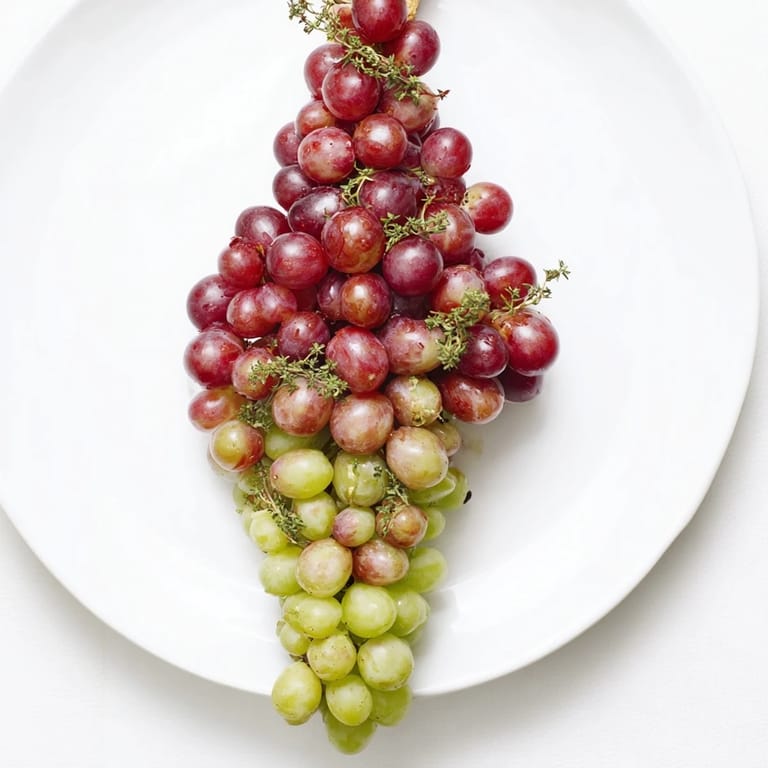
- Start at the bottom of your platter with your widest, most abundant grapes. Think of creating a downward-pointing teardrop or cluster shape, like water dripping from a vine. Work methodically upward, leaving small gaps—this isn't about packing them tight like a pyramid, but creating a flowing, organic shape that looks like grapes naturally bunched together. Your hands become the sculptor here
- Crown It with Your Stem:
- At the narrow top of your grape cluster, lay your baguette or breadsticks at a natural angle, like you've caught a vine mid-fall. If using a baguette, cut it at a 45-degree angle for elegance. If using breadsticks, fan them slightly so they look like multiple tendrils. This is where the magic happens—the moment it becomes a grapevine, not just a pile of grapes
- Add Your Finishing Flourish:
- Tuck fresh herb sprigs and grape leaves around the cluster and stem. Let them peek through the grapes, creating pockets of green that make the whole display feel alive and garden-fresh. This is your moment to make it your own
- Present with Pride:
- Step back and admire what you've created. Then set it on your table and watch people's faces light up. Serve immediately so everything stays fresh and firm. Your guests will know exactly what to do—they'll reach, they'll admire, they'll pull grapes and bread away and taste something that feels special because it looks special
 Save
Save Last fall, I made this for my grandmother's eightieth birthday party. She took one look at the cluster and tears actually came to her eyes—not because of the grapes themselves, but because someone had taken the time to make something that looked like it came from a painting. She pulled off a grape, tasted it, and said, "This is what hospitality looks like." That moment taught me that beautiful food, even the simplest kind, is one of the best ways we can show people they matter.
Variations That Keep It Interesting
Once you've mastered the classic, you have permission to play. I've made this with alternating rows of grapes in strict color patterns—completely different vibe, almost architectural. I've added cubes of creamy burrata or sharp manchego cheese nestled between the grapes for a cheese-and-fruit moment. I've used it as the centerpiece of a full charcuterie board, with the grape cluster commanding attention while salami, cheese, and nuts created a supporting cast around it. Each version tells a different story, and each one seems to impress even more than the last, because people can see you've personalized it for them.
Pairing and Timing Magic
The beauty of this dish is that it's completely flexible with your entertaining timeline. Make it up to four hours ahead, cover it loosely, and refrigerate. About thirty minutes before guests arrive, pull it out to bring it back to room temperature—grapes taste better when they're not ice-cold, and they sit more gracefully on the board. Pair this with a crisp white wine like Sauvignon Blanc, a dry rosé, or even prosecco. If you're going the salami-stem route, you've already set the tone for a more substantial charcuterie moment, so offer fuller-bodied wines. The grape cluster is forgiving that way—it works with almost anything you want to serve alongside it.
The Art of Making It Your Own
What I've learned from making this dozens of times is that perfection isn't the goal—authenticity is. If your teardrop isn't perfectly symmetrical, that's not a failure. If you use only green grapes because that's what you have on hand, you've made it your own. If you add edible flowers or fresh mint because you love the way it looks, you've elevated it. The magic happens when you stop following instructions and start creating something that feels true to you and your table.
- Trust your instincts about arrangement—there's no single right way, only the way that makes you happy
- Taste a grape before you start. If they're not as sweet as you'd hoped, serve them with something salty like the bread or salami to create balance
- Remember that this is meant to be eaten, so arrange it in a way that makes it easy for guests to help themselves without toppling the whole structure
 Save
Save Making this dish has taught me that entertaining doesn't require complexity—it requires thoughtfulness and maybe a little showmanship. Every time I arrange a grape cluster, I'm not just preparing food; I'm setting the tone for a gathering where people feel noticed and celebrated. That's a gift worth twenty minutes of your time.
Recipe FAQs
- → What type of grapes work best for this dish?
Seedless green and red or black grapes are ideal for easy handling and a mix of colors that enhance visual appeal.
- → Can I use gluten-free options for the stem?
Yes, gluten-free breadsticks can replace rustic bread to accommodate dietary needs without compromising appearance.
- → How do I arrange the grapes for the best effect?
Arrange grape clusters in a downward-pointing teardrop shape, starting wide at the bottom and tapering upwards to mimic a natural grapevine.
- → Is it possible to use other garnishes besides herbs?
Small grape leaves or fresh herbs like thyme or rosemary work well to add freshness and an aromatic touch around the cluster.
- → What occasions suit this grape cluster presentation?
It’s perfect for entertaining, wine tastings, cheese boards, and as a unique centerpiece for parties.
- → Can I add other ingredients to the cluster?
Adding cubes of cheese or nuts between grapes introduces texture and flavor variety, enhancing the experience.