 Save
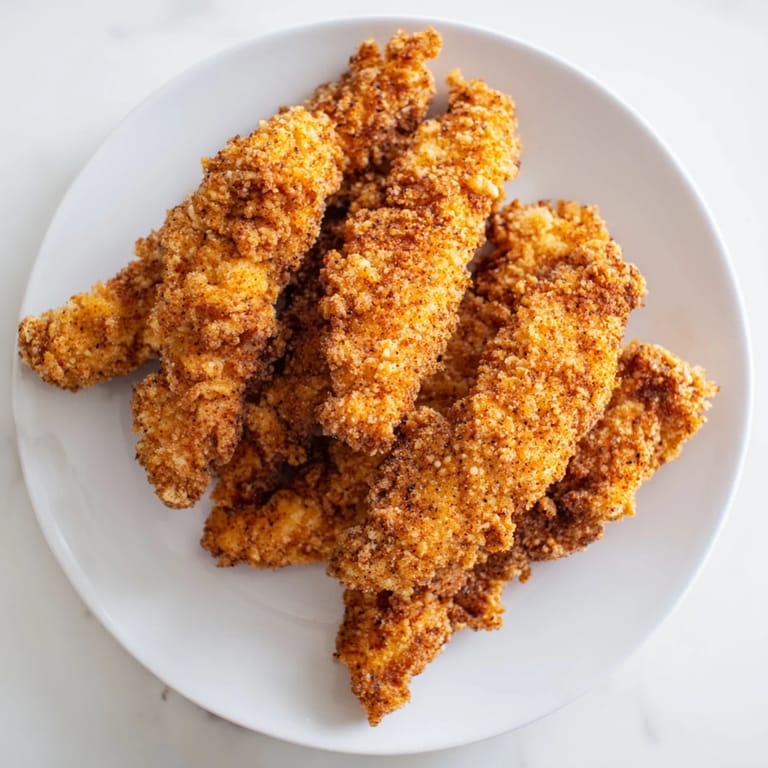
Save There's something about the smell of buttermilk and hot oil that takes me straight back to my aunt's kitchen on lazy Saturday afternoons. She'd have a bowl of tangy buttermilk sitting on the counter, and before I knew it, I was watching her transform simple chicken tenders into something golden and impossibly crispy. The way she'd dredge each piece with such care, patting the flour on like she was tucking it in, made me realize this wasn't just frying—it was a small ritual of comfort. Now whenever I make these, I'm channeling her patience and that particular kind of joy that comes from feeding people something that just makes them smile.
I made these for my kids' soccer team's end-of-season potluck, and I watched them disappear faster than anything else on the table—even faster than the brownies someone brought. One of the dads came back for thirds and asked if I'd ever considered selling them, which made me laugh but also felt like a small victory. It was one of those moments where I understood that good food, made with actual care, is its own kind of love language.
Ingredients
- Chicken tenders or boneless, skinless chicken breasts (1.5 lbs, cut into strips): The thinner the pieces, the faster they cook and the crispier they become—I learned to cut them relatively uniform in thickness so they finish at the same time.
- Buttermilk (1 cup): Don't skip this or substitute milk with vinegar lightly—the real stuff has a special acidity that actually tenderizes the chicken and creates a tang you can taste.
- Salt and black pepper (1 tsp salt, 1/2 tsp pepper): Divided between marinade and coating so the flavor isn't one-note.
- Garlic powder, onion powder, and paprika (1/2 tsp each, plus extra paprika in the coating): These create layers of savory depth that make people ask what your secret is.
- Cayenne pepper (1/4 tsp, optional): A whisper of heat that doesn't overwhelm, though I add it every time.
- All-purpose flour (1.5 cups) with baking powder (1/2 tsp): The baking powder is the real secret—it creates those impossibly crispy edges while keeping the inside tender.
- Vegetable oil for frying: Use something neutral with a high smoke point; I've found peanut or canola works best and doesn't interfere with the flavor.
Tired of Takeout? 🥡
Get 10 meals you can make faster than delivery arrives. Seriously.
One email. No spam. Unsubscribe anytime.
Instructions
- Mix your marinade and soak the chicken:
- Whisk together buttermilk, salt, pepper, garlic powder, onion powder, paprika, and cayenne in a large bowl. Add your chicken tenders and turn them to coat—you want every piece swimming in that tangy liquid. Cover and refrigerate for at least 2 hours, though honestly, I often let mine sit overnight because the longer it goes, the more tender everything becomes.
- Prepare your seasoned flour mixture:
- In a shallow dish, combine flour, salt, pepper, paprika, garlic powder, onion powder, and baking powder. Stir it all together so the seasonings are evenly distributed, and set it nearby—you'll want quick access in a moment.
- Dredge the chicken with intention:
- Pull each tender from the buttermilk, letting the excess drip back into the bowl for a few seconds. Lay it in your flour mixture and press gently, turning to coat both sides thoroughly and make sure that flour really adheres. I like to do this just before frying so the coating stays dry and crispy.
- Heat your oil to the right temperature:
- Pour about 2 inches of vegetable oil into a large, deep skillet or Dutch oven and bring it to 350°F. Use a thermometer—this is one place where guessing will cost you. Too cool and the chicken absorbs oil instead of frying; too hot and the outside burns before the inside cooks.
- Fry in batches without crowding:
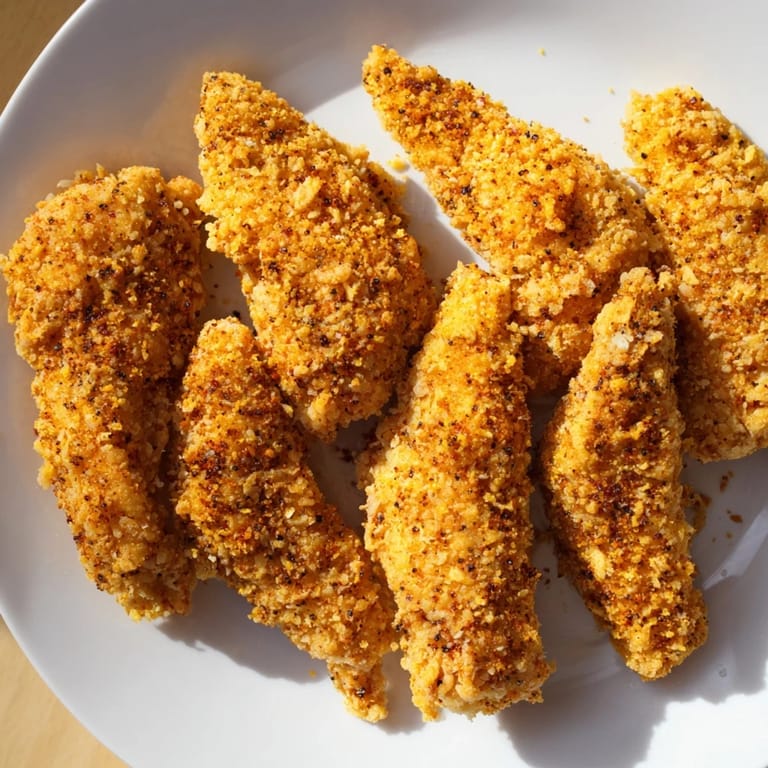
- Gently place 3–4 tenders into the hot oil, being careful not to overcrowd the pan because the temperature will drop and they'll steam instead of fry. Cook for about 3–4 minutes per side until golden brown and crispy, then use tongs to transfer them to a wire rack or paper towels. Work in batches so every piece gets its moment in that hot oil.
- Rest and serve:
- Let them cool for just a minute or two on that rack so the oil drains completely. Then serve them hot, with whatever sauce calls to you—honey mustard, ranch, or hot sauce if you're feeling bold.
 Save
Save I'll never forget the day my mother-in-law took one bite and admitted she'd stopped buying frozen chicken tenders because mine were better. She's not someone who gives compliments lightly, so I still think about that moment whenever I make these. It's funny how a plate of fried chicken can become proof that you belong in someone's kitchen.
The Magic of the Marinade
Buttermilk isn't just added for flavor—it's the secret to tender, juicy chicken that doesn't dry out even slightly during frying. The acidity breaks down the muscle fibers gently, and the fat content keeps everything moist from the inside out. I've made these with regular milk or yogurt in desperate moments, and while they work, they're never quite the same. There's a reason Southern cooks have been using buttermilk for generations—it just works, and once you taste the difference, you understand why.
Achieving Maximum Crispiness
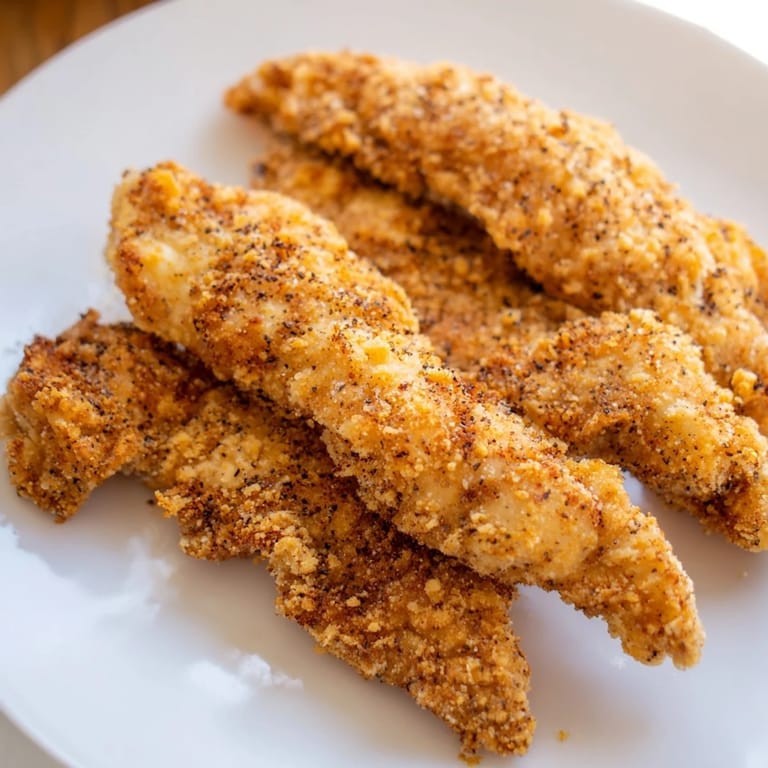
The crispiness comes from three things working together: the baking powder in your flour, the proper oil temperature, and not skipping the drying step when you let the excess buttermilk drip off. I used to rush that part until I realized those few seconds make a real difference—the drier the chicken when it hits the oil, the faster a crust forms. The baking powder creates tiny air pockets in the coating, and when it hits the hot oil, those pockets expand and create that shatter-when-you-bite texture that separates good fried chicken from great fried chicken.
Serving and Pairing Ideas
These tenders are so good on their own that dipping sauce feels optional, but I always have something ready because the choice makes it feel like a celebration. Honey mustard brings out the paprika, ranch tempers the spice, and hot sauce can turn a simple dinner into something with attitude. I've also served them with lemon wedges for people who want brightness, or a simple salt situation for purists. No matter how you plate them, they're best eaten with your hands and without apology.
- Serve them straight from the cooling rack while they're still steaming for maximum crispiness.
- Make a quick honey mustard by mixing Dijon, honey, and a splash of apple cider vinegar if you want something better than store-bought.
- Leftovers are shockingly good cold the next day, chopped up in a salad or tucked into a sandwich.
 Save
Save This recipe has become my answer to the question of what to bring to any gathering, because it arrives warm, travels well, and makes people genuinely happy. Every time I make it, I'm reminded that the best meals are the ones made with attention and care, and that buttermilk and hot oil are somehow still magic.
Recipe FAQs
- → How long should the chicken marinate?
Marinate the chicken tenders for at least 2 hours, though overnight yields the best flavor and tenderness.
- → What oil is best for frying?
Use vegetable oil or any neutral oil with a high smoke point to ensure even cooking and a crispy crust.
- → How to achieve extra crunch?
Try double dipping: coat the chicken in flour, dip it back into buttermilk, then coat again before frying.
- → Can the heat level be adjusted?
Yes, increase cayenne pepper in the marinade or add hot sauce to elevate the spice level to your preference.
- → How to tell when chicken is cooked through?
Fry until the internal temperature reaches 165°F (74°C) and the coating is golden brown and crisp.