 Save
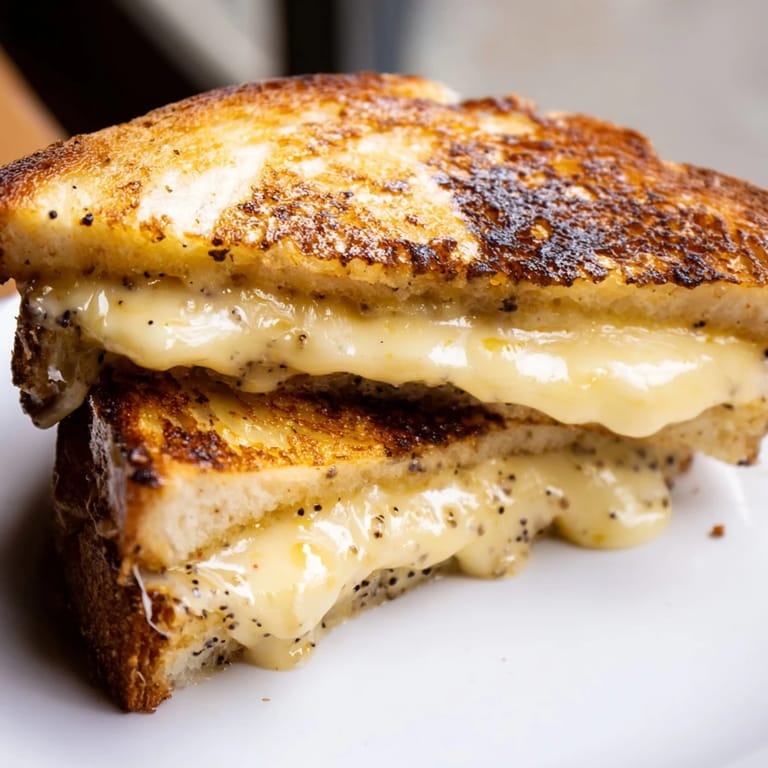
Save There's something about the moment when golden bread hits a hot pan that makes everything feel possible—that sizzle is pure kitchen magic. The first time I combined French toast with a grilled cheese sandwich, I wasn't even sure it would work, but the crispy exterior giving way to creamy custard and melted cheese convinced me instantly. It's the kind of dish that tastes indulgent but comes together faster than you'd expect, turning an ordinary breakfast or lunch into something genuinely special.
I made this for my roommate on a quiet Sunday morning, and watching their face when they bit through the crispy exterior into that molten cheese center made me feel like a genius. They asked for the recipe before they'd even finished eating, which never happens. It became our go-to when we wanted to impress without fussing, which is basically always.
Ingredients
- Eggs (3 large): The custard foundation—they bind everything together while adding richness that makes this more than just bread and cheese.
- Whole milk and heavy cream (3/4 cup and 1/4 cup): This ratio matters; the cream adds luxurious depth without making the mixture too heavy.
- Granulated sugar (1 tbsp): Just enough sweetness to play off the cheese—subtle but necessary.
- Kosher salt and black pepper (1/2 tsp each): Season boldly; this isn't delicate food.
- Dijon mustard (1/2 tsp, optional): A flavor secret that adds complexity without announcing itself.
- Brioche or challah bread (8 slices, 1/2-inch thick): The structure that holds everything—dense enough not to fall apart, tender enough to soak up custard beautifully.
- Gruyère or sharp cheddar cheese (8 slices): Gruyère melts like a dream and adds nutty sophistication; sharp cheddar brings personality.
- Unsalted butter and neutral oil (2 tbsp butter, 1 tbsp oil): Butter for flavor, oil for heat stability—together they create that perfect golden crust.
Tired of Takeout? 🥡
Get 10 meals you can make faster than delivery arrives. Seriously.
One email. No spam. Unsubscribe anytime.
Instructions
- Make the custard bath:
- Whisk eggs, milk, cream, sugar, salt, pepper, and mustard in a shallow bowl until smooth and unified. This is your golden ticket—don't skip the whisking or you'll end up with streaks of unbeaten egg white.
- Assemble the sandwiches:
- Lay out four bread slices and crown each with two cheese slices, then cap with the remaining bread. Simple, but the double cheese is what makes this sing.
- Heat your pan:
- Warm a large nonstick skillet or griddle over medium heat, then add butter and oil, swirling until the butter froths slightly. This temperature dance is crucial—too hot and the bread burns before the cheese melts, too cool and you get soggy bread.
- Dip with intention:
- Take each sandwich and dunk it quickly into the custard, coating both sides but not lingering so long that it becomes mushy. Speed matters here.
- Pan-sear to golden:
- Place sandwiches in the hot pan and cook 3–4 minutes per side, pressing gently with your spatula to encourage cheese melting and crust formation. You're looking for deep golden brown, not pale yellow—that color means flavor.
- Rest and slice:
- Transfer to a cutting board and let sit two minutes so the cheese sets slightly. Then slice diagonally because it just looks better, and serve while still warm enough to have that cheese pull.
 Save
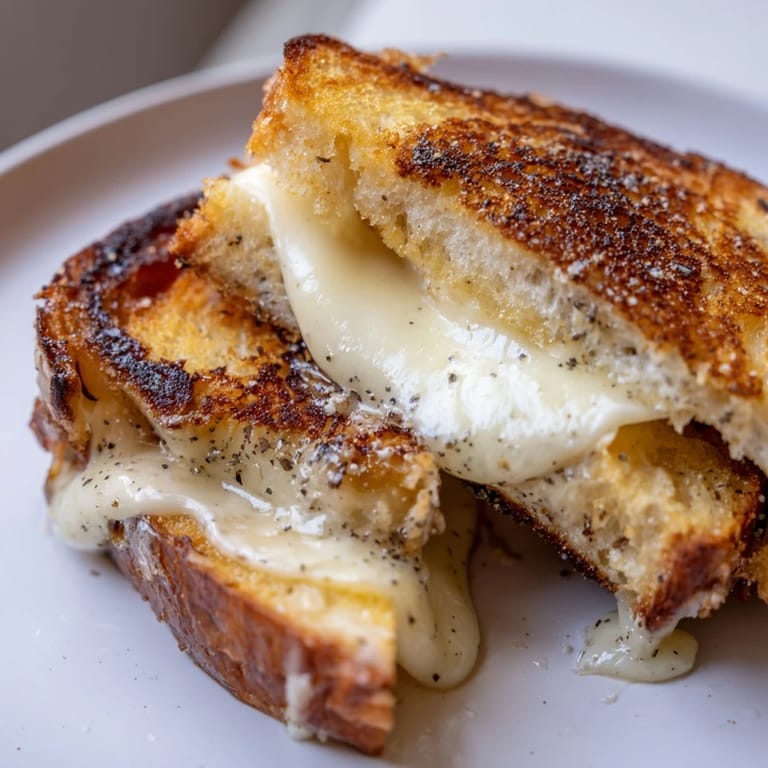
Save The moment I served this to people who hadn't expected anything fancy, who just thought they were getting breakfast, and watched them pause mid-chew to really taste what they were eating—that's when I realized this dish does something special. It's not complicated, but it feels like you tried.
Why This Dish Works
There's a reason French toast and grilled cheese have both stood the test of time: they're textural opposites that somehow live in harmony. The custardy richness meets crispy exterior meets creamy cheese center, and it's this layering of sensations that makes your brain actually pay attention to what you're eating. I've learned that the best comfort food isn't about being heavy or light—it's about creating contrast.
Making It Your Own
Once you nail the basic technique, the variations become obvious and fun. I've done fig jam tucked between the cheese and bread, which adds this jammy sweetness that somehow makes the savory parts taste more savory. Caramelized onions work beautifully too if you're in a purely savory mood, and experimenting with different cheeses teaches you a lot about flavor—Swiss feels lighter, fontina gets almost nutty, fresh mozzarella is a mild surprise.
Serving and Pairing
The beauty of this dish is that it's hungry for company in whatever form appeals to you. A simple green salad cuts through the richness perfectly; something acidic and bright is essential. I've had it alongside tomato soup, which turns it into pure nostalgia, and I've served it with just a poached egg on top because why not double down when you're already this invested.
- Fresh greens with vinaigrette balance the richness without fuss.
- A warm soup on the side transforms this into a complete, elegant meal.
- Serve immediately while the cheese is still at peak meltiness.
 Save
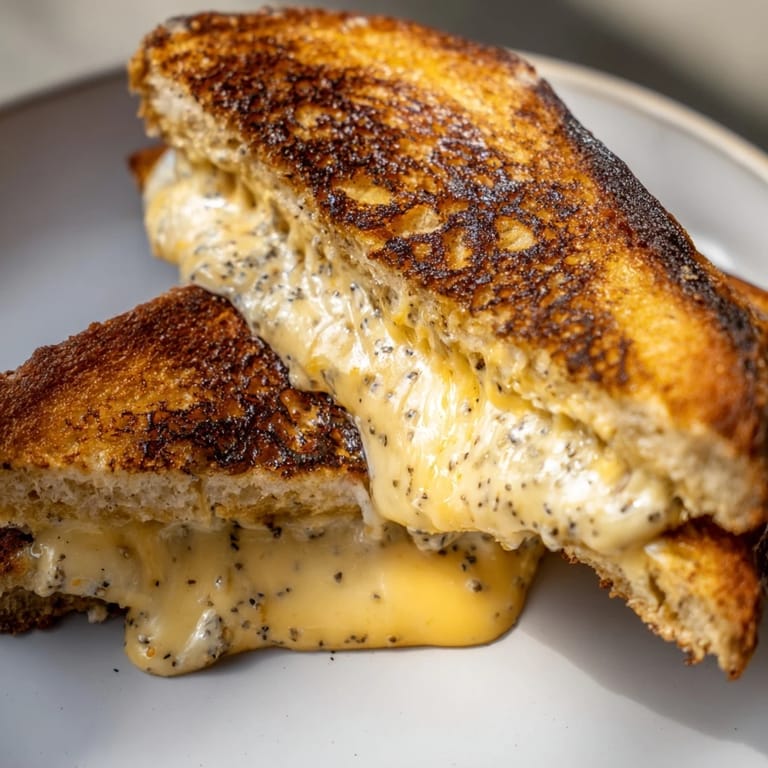
Save This is the dish that taught me that you don't need complicated techniques to feel proud of what you've made. Feed it to someone you like, watch their expression change, and you'll understand why I keep making it.
Recipe FAQs
- → What type of bread works best?
Brioche or challah bread about half an inch thick holds the custard well and crisps beautifully.
- → Which cheeses are recommended?
Gruyère and sharp cheddar provide great melting qualities and flavor, but Swiss, mozzarella, or fontina are good alternatives.
- → How do I prevent sogginess?
Dip the sandwiches carefully to coat without soaking through, then cook on medium heat to develop a golden crust and melted interior.
- → Can I prepare ahead?
Yes, assemble and cover the sandwiches, refrigerate, then dip and cook just before serving.
- → Are there sweet variations?
Adding a thin layer of fig jam or caramelized onions with the cheese offers a tasty sweet-and-savory twist.